Revolutionizing Agriculture with IoT: Real-Time Soil Moisture Monitoring
Welcome to a new era of farming, where technology and tradition meet to create sustainable agricultural practices. In this article, we will delve into the world of IoT devices that are transforming soil health monitoring, leading to more efficient and environmentally-friendly food production.
The Importance of Soil Health Monitoring
Healthy soil is crucial for successful farming. It provides essential nutrients for crops, resulting in better yields. By leveraging IoT technology, farmers can monitor soil health, detect issues early, and manage resources effectively.
IoT Devices: Sensors, Drones, and Data Analytics
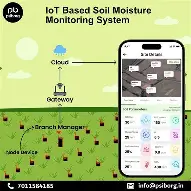
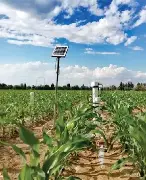
The internet of things (IoT) is a network of everyday devices connected to the internet and able to communicate with each other. In the context of agriculture, IoT tools include sensors that monitor soil moisture levels in real-time, empowering farmers to respond swiftly to changing conditions.
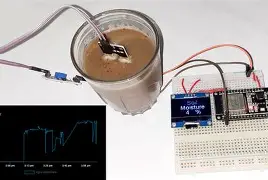
One such device is the capacitive soil sensor. By placing these sensors at various depths within the soil, farmers can gather accurate and up-to-date data on soil moisture levels.
Real-Time Data and Smart Decision Making
With real-time data on hand, farmers can make informed decisions about watering their crops, optimizing the use of precious resources. This leads to increased yields and reduced environmental impact.
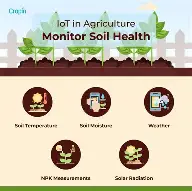
Moreover, by closely monitoring soil health, farmers can avoid issues such as overwatering or underwatering, which can have a detrimental effect on crop growth.
The Future of Agriculture: Sustainable and Smart
As IoT technology continues to evolve, we will see more innovative solutions emerging in the agricultural sector. From autonomous tractors to vertical farming systems, the future of agriculture is sustainable, efficient, and smart.
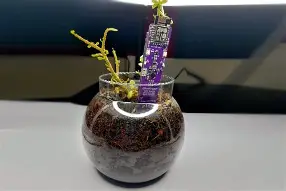
By integrating technologies like IoT sensors, drones, and data analytics, we can create a more sustainable agricultural landscape that meets the demands of our growing population while protecting our environment.
Conclusion
The integration of IoT technology in agriculture is revolutionizing traditional farming practices. By leveraging real-time soil moisture monitoring, farmers can make informed decisions about watering their crops, leading to increased yields and reduced environmental impact. As we move towards a more sustainable future, the role of IoT in agriculture will only become more crucial.
Stay tuned for more insights into the world of smart farming and IoT, as we continue to explore the transformative potential of these technologies in agriculture.