Smart Irrigation Systems for Water Conservation in Arid Regions
Introduction
In the face of escalating water shortages and climate change, proper irrigation is crucial for crop survival and maximum productivity. Traditional irrigation methods are wasteful, and if we do not take action to protect our water resources now, it will be difficult to meet future demands. This article explores modern irrigation systems specifically designed for arid regions, focusing on smart irrigation technologies that conserve water while maximizing crop yields.

Water Requirements for Crops
To achieve maximum output, different crops require varying amounts of water. Understanding these requirements is essential for effective irrigation planning. This section provides an overview of the water needs for 50 different crops.
Smart Irrigation Systems: The Future of Farming in Arid Regions
The following five cutting-edge irrigation systems are revolutionizing agriculture in arid regions by conserving water and increasing crop yields:
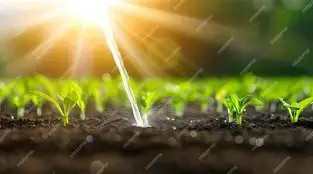
- Drip Irrigation: This system delivers water directly to plant roots, reducing evaporation and ensuring efficient use of water.
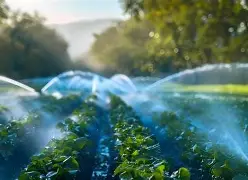
- Sprinkler Irrigation: This method covers a larger area by spraying water over the crops in a fine mist. It is particularly effective in flat terrain.
- Micro irrigation: This system uses low-pressure pipes to deliver water directly to plant roots, reducing runoff and soil erosion.
- Soil Moisture Sensors: These sensors monitor the moisture level in the soil and automatically adjust irrigation accordingly, ensuring that plants receive the exact amount of water they need at the right time.
- Weather-Based Irrigation Controllers: These controllers use weather data to optimize irrigation scheduling, taking into account factors such as humidity and temperature to minimize water waste.

Conclusion
Investing in smart irrigation systems is a crucial step towards sustainable agriculture and water conservation in arid regions. By adopting these modern technologies, farmers can optimize water use, minimize waste, and increase crop yields, ultimately ensuring the long-term productivity of their land.