Desalination for Agriculture: Cost-Benefit Analysis of Solar-Powered Plants
Introduction
Fresh water scarcity is a pressing global issue, particularly in arid regions and coastal areas. The solution to this challenge lies in desalination, a process that converts seawater or brackish water into fresh water. In this article, we will explore the cost-benefit analysis of solar-powered desalination plants for agriculture.
Desalination through Solar Power
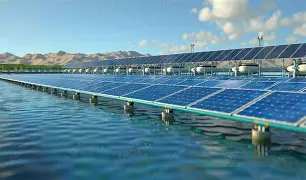
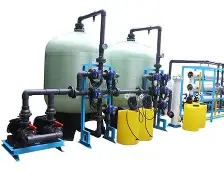
Solar-powered desalination plants harness the energy from the sun to convert seawater into fresh water. The process involves pre-filtration, reverse osmosis membranes, and energy recovery technology that reduces energy consumption by 75%. This technology makes it possible to produce clean water from unlimited resources while providing independence and resilience.
Solar Desalination Greenhouse
Innovative solar desalination greenhouses are being developed for sustainable agriculture in arid regions. These structures, such as the Solar Desalination Greenhouse at the University of Stellenbosch, combine desalination and plant cultivation. The greenhouse is equipped with a hydroponic system and supports diverse media for growing plants.
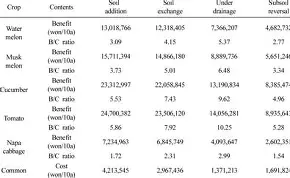
Cost-Benefit Analysis
- Initial investment: Higher upfront costs compared to traditional water sources, but offset by long-term savings and benefits.
- Operational costs: Lower energy costs due to the use of renewable energy and reduced water waste.
- Water production: High volume of fresh water production from unlimited resources, making it a sustainable solution for arid regions.
- Environmental impact: Reduced carbon footprint and minimal environmental disruption compared to traditional desalination methods.
Conclusion
Solar-powered desalination plants offer a sustainable solution for fresh water scarcity in agriculture. Although the initial investment is higher, the long-term benefits, including lower operational costs, high volume water production, and reduced environmental impact, make it an attractive option for farmers and institutional investors alike.

Future Prospects
As technology advances, we can expect solar-powered desalination plants to become more efficient and affordable. This will make it possible for even more farmers in arid regions to have access to reliable fresh water sources, promoting sustainable agriculture and food security.

Investment Opportunities
Institutional investors seeking to support sustainable development and agribusiness trends can invest in solar-powered desalination plants. These investments not only contribute to fresh water scarcity solutions but also provide attractive returns on investment.
Challenges and Solutions
One challenge facing the widespread adoption of solar-powered desalination plants is high upfront costs. To address this, governments and international organizations can provide subsidies or grants to farmers and communities investing in these technologies.
Conclusion
Solar-powered desalination plants offer a promising solution to fresh water scarcity in agriculture. By investing in these technologies, farmers and institutional investors can contribute to sustainable development, promote food security, and generate attractive returns on investment.