The Future of Precision Viticulture in Arid Mediterranean Zones
As a Senior AgTech Consultant and Agronomist, I have the privilege to witness the ongoing digital transformation of traditional farming practices. Today, we delve into an exciting aspect of this revolution: precision viticulture in arid Mediterranean zones.
Challenges in Arid Mediterranean Zones
Arid Mediterranean regions face unique challenges due to water scarcity and high temperatures. These factors necessitate innovative farming solutions, particularly in vineyard management.
Precision Viticulture: The Solution
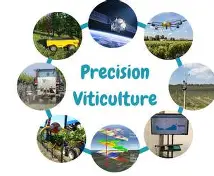
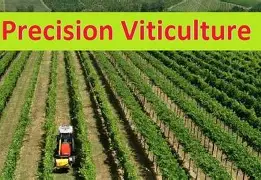
Precision viticulture aims to optimize vineyard management using data-driven and technology-based solutions. This approach enables farmers to make informed decisions, tailoring their practices to the specific needs of each plot.

Key Technologies in Precision Viticulture
- Satellite Imagery: Provides detailed information about soil and vegetation health, helping farmers identify areas requiring special attention.
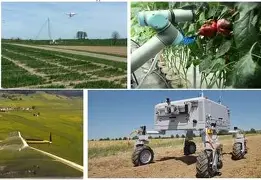
- Drones: Facilitate non-invasive monitoring of vineyards, allowing for timely detection of issues such as disease outbreaks or water stress.
- Irrigation Systems with Sensor Technology: Adapt irrigation schedules based on soil moisture levels and evapotranspiration rates, ensuring efficient use of scarce water resources.
The Role of IoT and Machine Learning in Precision Viticulture
Internet of Things (IoT) devices and machine learning algorithms can process the vast amounts of data collected by these technologies, enabling farmers to make data-driven decisions and optimize vineyard management.
The Future: Integrated Farm Management Systems
Future advancements will see the integration of these technologies into comprehensive farm management systems. This holistic approach will allow farmers to monitor and manage their entire vineyard more efficiently, adapting to changing conditions in real-time.
Sustainable Development and Global Agribusiness Trends
Precision viticulture not only addresses the challenges faced by arid Mediterranean zones but also aligns with global trends toward sustainable agriculture. By reducing water usage and optimizing resource allocation, precision viticulture contributes to a more resilient and eco-friendly agribusiness sector.

Conclusion
The future of precision viticulture in arid Mediterranean zones presents a promising landscape for both tech-savvy farmers and institutional investors. By harnessing the power of technology, we can create more efficient, sustainable, and resilient vineyards that thrive in even the most challenging environments.