Algorithmic Hegemony and Linguistic Diversity: The Technical Architecture of Internet Governance
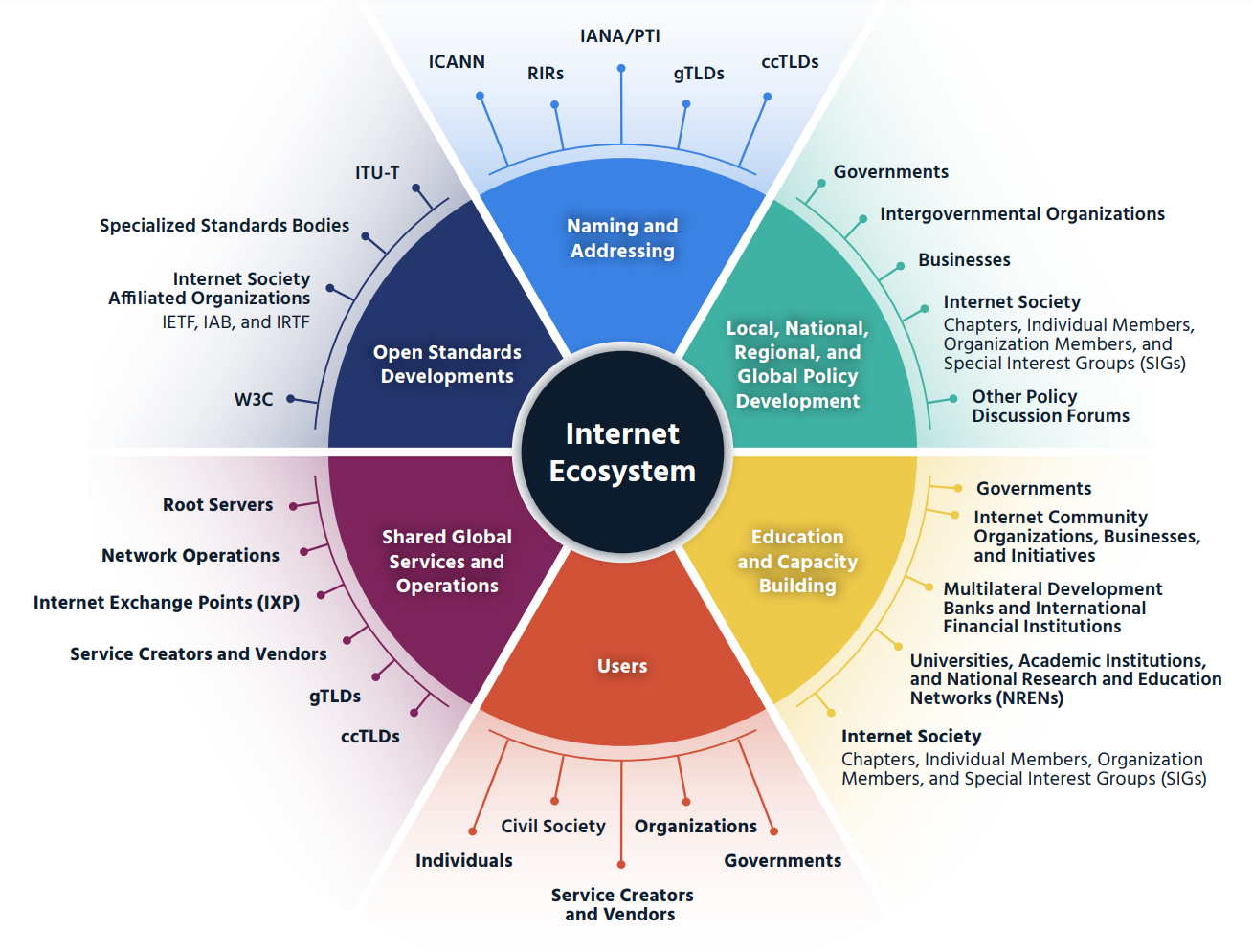
Internet governance operates as a complex socio-technical ecosystem where the tension between global standardization and cultural plurality defines the trajectory of digital inclusion. The current architecture of the web often prioritizes dominant linguistic clusters, creating a systemic risk of digital erasure for minority languages and regional dialects. This imbalance is not merely a social issue but a technical failure in the design of global data protocols.
The integration of emerging technologies, particularly Large Language Models (LLMs), exacerbates the divide between high-resource and low-resource languages. When AI systems are trained on skewed datasets, they perpetuate a form of algorithmic bias that marginalizes the nuances of the Lusophone world, especially the African varieties of Portuguese. This deficit in linguistic instruments limits the efficacy of AI-driven tools in regions where local dialects are prevalent.
Achieving true digital equity requires a transition toward cross-translatability, where AI systems can fluidly navigate diverse linguistic and cultural contexts without losing semantic precision. Without robust linguistic frameworks for the CPLP (Community of Portuguese Language Countries), the gap in digital literacy and security will widen. This technical void hinders the deployment of smart infrastructure and sustainable AgTech in these regions.
Fintech Talks #105 – Tendências, oportunidades e desafios para o mundo tech 26 [Guga Stocco/Redmind]
Saiba como a queda da pobreza revela tendências econômicas e desafios do mercado brasileiro
Craft Talks – Desafios e perspectivas no Chile
Lara Praça aborda sobre tendências e desafios do setor imobiliário
The Technical Deficit in Lusophone AI Integration
Linguistic Bias and Data Scarcity
The lack of robust linguistic instruments for African Portuguese varieties creates a critical bottleneck in the development of localized AI. Most current models rely on European or Brazilian Portuguese datasets, leading to a failure in semantic recognition for Mozambican or Cape Verdean contexts. This data scarcity results in a deficit of integration, where emerging technologies fail to serve the actual needs of the local population.
The Role of Multi-Stakeholder Governance
The Portuguese Internet Governance Forum Initiative (IPFGI) serves as a vital multi-stakeholder platform to mitigate these technical disparities. By integrating academic, technical, and public sectors, these forums move beyond geographic boundaries to address shared linguistic and cultural factors. This collaborative approach is essential for drafting “Messages” that influence the global UN Internet Governance Forum (IGF).
Socio-Technical Impacts and Sustainable Development
Environmental Footprint of Digital Inclusion
The push for digital inclusion must be balanced against the ecological impact of the physical infrastructure required to support it. The energy consumption of data centers and the lifecycle of hardware used in expanding internet access in Lusophone countries present a significant sustainability challenge. A sustainable development strategy must integrate green computing to ensure that digital expansion does not accelerate environmental degradation.
Automation vs. Human Imaginative Capacity
As AI automates routine cognitive tasks, the value of human intelligence shifts toward the capacity to imagine systems that do not yet exist. While AI can optimize existing patterns, it cannot conceptualize original architectural shifts in urban planning or sustainable agriculture. The strategic focus must therefore shift from competing with automation to leveraging human creativity for high-level systemic design.
Governance Frameworks for Emerging Technologies
Regulatory Challenges in the AI Era
The adoption of AI necessitates new regulatory frameworks that address copyright, intellectual property, and ethical biases. In the Lusophone context, these regulations must be flexible enough to accommodate diverse social realities while maintaining a high standard of digital security. The goal is to create a governance model that prevents the monopolization of AI by a few global entities.
Strategic Integration of Smart Infrastructure
The intersection of internet governance and urban planning manifests in the deployment of smart urban infrastructure. For these systems to be effective, they must be inclusive of the linguistic and cultural diversity of the citizens they serve. Integrating localized linguistic data into urban AI allows for more efficient public service delivery and better ecological management of city resources.
The Path Toward Digital Sovereignty
Building Localized Technical Ecosystems
Digital sovereignty is achieved when nations can develop and maintain their own technical infrastructure and data repositories. By fostering local innovation in AI and software development, Lusophone countries can reduce their dependency on external proprietary systems. This requires a concerted effort in digital literacy and technical training across the CPLP.
Interoperability and Global Standards
Future governance must prioritize interoperability between diverse systems to ensure that linguistic diversity does not lead to technical fragmentation. Establishing open standards for linguistic data allows for a more democratic distribution of technological power. This ensures that the digital environment remains an open space for cultural exchange rather than a tool for linguistic homogenization.
FAQ
What is cross-translatability in the context of AI?
Cross-translatability refers to the technical ability of AI systems to translate and interpret meanings across different languages and dialects while preserving the original cultural and semantic nuance, preventing the loss of meaning during the translation process.
How does the IPFGI contribute to global internet governance?
The IPFGI acts as a national dialogue platform that synthesizes the perspectives of various stakeholders into a document of “Messages,” which are then used to inform and influence the global debates at the United Nations Internet Governance Forum (IGF).
Why is the lack of African Portuguese data a problem for AI?
AI models are dependent on the data they are trained on; if African varieties of Portuguese are underrepresented, the resulting AI tools will be biased, less accurate, and less effective for users in those specific geographic and cultural regions.
What is the relationship between internet governance and sustainable development?
Internet governance determines how infrastructure is deployed and managed. When integrated with sustainable development, it ensures that digital expansion is energy-efficient, reduces electronic waste, and promotes equitable access to technology without compromising ecological integrity.