Unveiling the Future of Food Supply Chain: Blockchain in Agriculture
In an era where transparency, sustainability, and trust are increasingly important factors in global agribusiness, blockchain technology is poised to revolutionize farming and food trading practices.
A Secure Digital Ledger for Food Traceability
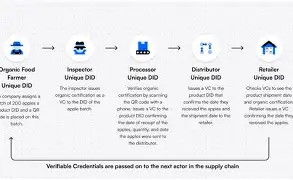
At its core, blockchain serves as a secure digital ledger, recording every transaction, movement of goods, and quality check within the supply chain. This data, once stored, is immutable and transparent to all participants in the ecosystem, eliminating the need for intermediaries and ensuring accountability.
Addressing Key Challenges in Agriculture
- Enhancing transparency in the supply chain, thereby reducing food fraud and mislabeling
- Empowering farmers by ensuring fair and timely payments through smart contracts
- Optimizing logistics and minimizing food spoilage by tracking goods in real-time
- Facilitating access to microloans and insurance for small farmers by verifying data transparency

Real-World Applications of Blockchain in Agriculture
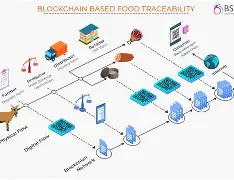
With blockchain, consumers can scan a QR code and trace the origin of their food, boosting trust and reducing food fraud. Smart contracts enable fair and timely payments to farmers without middlemen delays, while real-time tracking helps minimize food spoilage and optimize logistics.
The Role of Blockchain in Global Agribusiness
By addressing key challenges faced by the agriculture sector, blockchain has the potential to significantly reshape the way we grow, trade, and consume food on a global scale. Major companies are already embracing this technology, paving the way for a more transparent, sustainable, and equitable agribusiness landscape.
Empowering Small Farmers with Blockchain
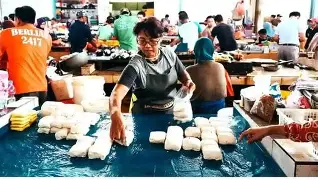
By providing small farmers with the tools to verify their data and access microloans and insurance, blockchain can help bridge the gap between rural areas and financial institutions, fostering economic development and food security.
The Future of Blockchain in Agribusiness
As blockchain continues to evolve and mature, its impact on the agribusiness sector is expected to grow even further. From enhancing traceability and transparency to improving food safety and promoting sustainable agriculture practices, the potential for this technology is immense.