Hydroponics vs Aquaponics: Which Technology is More Efficient?
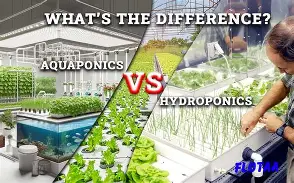
In the ever-evolving landscape of modern agriculture, two emerging technologies have caught the attention of farmers and investors alike: hydroponics and aquaponics. Both systems aim to optimize plant growth while minimizing resource consumption, but they differ in their approach and applications. Let’s delve into the intricacies of these systems to determine which technology is more efficient for your agricultural endeavors.
Hydroponics: The Soil-less Method
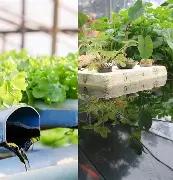
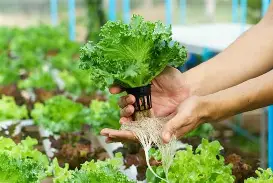
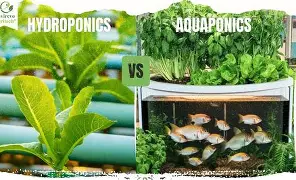
Hydroponics, derived from the Greek words ‘hydros’ (water) and ‘ponos’ (labor), is a soil-less cultivation method that delivers nutrients directly to plant roots suspended in water. This technique allows for precise control over plant growth conditions, making it suitable for large-scale production.
Aquaponics: The Symbiotic Approach
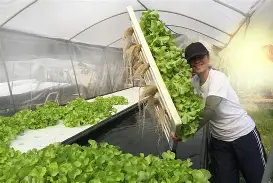
Aquaponics, on the other hand, is a closed-loop system that combines hydroponics with aquaculture (fish farming). In this method, fish waste provides nutrients for plant growth, while the plants purify the water for the fish. This symbiotic relationship results in increased resource efficiency and sustainable agriculture.
Comparing Efficiencies
- Water Consumption: Aquaponics systems are generally more water-efficient than traditional farming methods, as they recycle water through the fish and plant system. Hydroponic systems can also be water-efficient, but they require constant monitoring to prevent nutrient buildup and water evaporation.
- Resource Efficiency: Aquaponics systems utilize fish waste as a natural source of nutrients for plants, reducing the need for additional fertilizers. Hydroponic systems, however, rely on chemical nutrient solutions to ensure plant growth.
- Yield and Growth: Both hydroponics and aquaponics can produce high yields, but hydroponic systems often provide more consistent and faster growth due to the precision control of growth conditions. Aquaponics may experience slower growth as a result of the symbiotic relationship between fish and plants.
Choosing Your Technology
The decision between hydroponics and aquaponics depends on various factors, including your resources, location, and desired output. For those with limited water resources or a desire for sustainable agriculture, aquaponics may be the more suitable choice. Hydroponics, however, offers greater control over growth conditions and faster results, making it an attractive option for large-scale production.
The Future of Agriculture
As the world’s population continues to grow, the demand for efficient agricultural technologies will increase. Hydroponics and aquaponics represent promising solutions for optimizing resource use and increasing food production. By adopting these technologies, farmers can contribute to sustainable development while meeting the global need for nutritious food.
Investing in AgTech
With the increasing interest in precision agriculture and sustainable development, now is an opportune time to invest in innovative AgTech companies pioneering hydroponic and aquaponic systems. By supporting these ventures, you can contribute to a more efficient, sustainable future for global agribusiness.