Water Harvesting Techniques for Sustainable Rural Development
Introduction
Water scarcity is a significant challenge in many rural communities, particularly during dry seasons. Rainwater harvesting offers an effective solution to this problem, promoting sustainable development and resilience to climate shocks.
Methods of Rainwater Harvesting
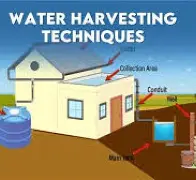
There are two primary methods for rainwater harvesting: direct collection and storage, and artificial recharge of groundwater. Direct collection involves gathering rainwater from rooftops or reservoirs using gutters, filters, tanks, and pipes.
- Rainwater collects in gutters and channels into pipes, then into a storage tank placed above or below ground level.
- Water can be drawn from the storage tank as needed through water outlet pipes for use.
Another method is artificial recharge of rainwater to underground aquifers. This involves digging deep pits or wells and injecting rainwater into the ground to improve groundwater storage.
Benefits of Rainwater Harvesting
Rainwater harvesting provides several advantages, including controlling rainwater flow, reducing floods and soil erosion, preventing pollution, and meeting water demands during dry seasons.
Climate-Smart Water Harvesting and Storage Systems
Innovative projects like the one supported by FAO and funded in Bundtland are helping rural communities adapt to climate change. By establishing information management centers, these projects contribute valuable data on rainfall forecasts, drought management, and updates.