Regenerative Agriculture Practices for Soil Health Restoration
Introduction
In the quest to achieve sustainable and profitable agriculture, regenerative practices have emerged as a promising approach for soil health restoration. By focusing on enhancing soil productivity, biodiversity, and ecosystem resilience, regenerative agriculture offers a holistic solution that addresses many of the challenges faced by modern farming.
Building Soil Health: Key Practices in Regenerative Agriculture
Regenerative agriculture places a significant emphasis on building and maintaining healthy soil. Here are some key practices that support this goal:
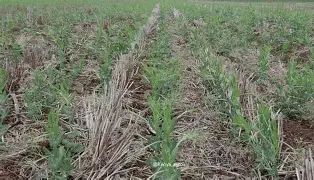
- Cover Cropping: By planting cover crops during fallow periods, farmers can prevent soil erosion, improve water retention, and reduce the need for chemical inputs.
- Composting: The addition of organic matter to the soil through composting helps increase soil fertility, improves its structure, and promotes the growth of beneficial microorganisms.
- Minimizing Soil Disturbance: Excessive tillage can harm soil structure and disrupt beneficial organisms. Minimizing disturbance allows for better root development and supports a healthier ecosystem.
Enhancing Biodiversity: The Role of Regenerative Agriculture
Regenerative agriculture also seeks to enhance biodiversity as a key component of thriving ecosystems. By incorporating diverse crop rotations, creating habitat corridors, and conserving natural areas, farmers encourage the return of beneficial insects, birds, and wildlife.
Utilizing Livestock: A Powerful Tool in Regenerative Agriculture
Livestock play a crucial role in regenerative agriculture, as they help increase the carbon content of soils and promote biodiversity. By managing ruminants and small paddocks through rotational grazing, farmers can trample weeds, graze desirable plants, and improve soil health quickly without costly equipment.

Further Resources
For more information on regenerative agriculture, we recommend checking out the following resources: