Carbon Farming and How Farmers Can Earn Carbon Credits
Introduction
In today’s rapidly evolving global agribusiness landscape, farmers are increasingly being offered opportunities to participate in carbon farming and earn carbon credits. By adopting sustainable practices that sequester carbon in the soil, farmers can not only contribute to mitigating climate change but also generate additional income streams.
Agricultural Carbon Markets
Farmers can enter the carbon market through either an aggregator or a data manager. With an aggregator, farmers sell their complete control of the project and credits to the aggregator, who then manages the sale and sharing of data. On the other hand, with a data manager, farmers pay for assistance in entering the marketplace while retaining ownership of the project and carbon credits.
Eligible Practices
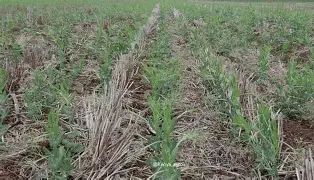
Practices such as reduced tillage, nitrogen efficiency improvements, planting cover crops, and changing cover crop rotations are typically eligible for carbon credits. There may also be future opportunities for livestock producers and forestry management.
Contract Terms
Carbon contracts usually last between 10 and 20 years, considering the time it takes to store carbon in the soil. Farmers must understand any penalties for violating the contract and liabilities if the land changes hands.
Data Ownership
It is crucial for farmers to clarify who owns their data, what can be done with it, and how it can be shared when engaging with carbon market companies.