
Vertical Farming Technology: Feeding the Cities of 2026
With global urbanization on the rise, traditional farming methods are struggling to meet the growing demand for food. Vertical farming technology presents a promising solution to this challenge.
Innovative Approach to Urban Agriculture
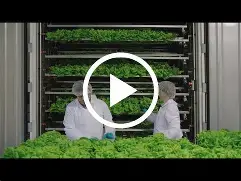
Vertical farming is a modern approach to agriculture that involves stacking trays or towers of plants in a controlled environment, allowing for efficient use of space and resources. In this article, we explore the potential of vertical farming technology to feed the cities of 2026.
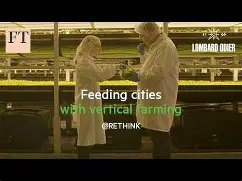
The Advantages of Vertical Farming
- Reduced Water Consumption: Vertical farms go through 95% less water than traditional farms due to their closed-loop water systems.
- Transportation Efficiency: By growing food locally, vertical farming reduces transportation costs and emissions.
- Resource Optimization: Through automation and precision agriculture techniques, vertical farms can optimize resource use, offsetting initial start-up costs and ongoing expenses.
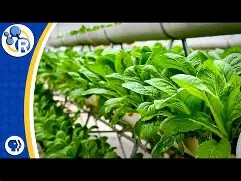
Case Study: In Farm
In Farm is a start-up that creates vertical farming units found in nine countries. The company has raised over $100 million in funding since its founding in 2013 and currently has more than 900 farming units in stores and distribution centers around the world.
The Future of Vertical Farming
The COVID-19 crisis has highlighted the vulnerabilities of traditional food supply chains. Vertical farming, with its shorter supply chain and reduced reliance on human labor, could see increased demand in the future.
The Role of Technology in Vertical Farming
From germination to harvest, technology plays a crucial role in vertical farming. AI, automation, precision agriculture, and smart lighting are just some examples of how technology is being leveraged to optimize growth conditions for plants.
The Path Ahead
While vertical farming holds great potential, it is important to consider the initial costs and ongoing expenses associated with this technology. To make vertical farming a viable solution for feeding the cities of 2026, it will require continued innovation and optimization in areas such as energy efficiency, resource use, and cost reduction.