Organic Fertilization Techniques for Large Scale Farms: A Sustainable Approach to Precision Agriculture
In the rapidly evolving landscape of modern agriculture, a harmonious blend of traditional farming practices and cutting-edge technology is essential for large-scale farms to thrive. One such area that demands attention is organic fertilization, which offers numerous benefits in terms of sustainability, soil health, and crop productivity.
The Case Against Traditional Manure Application
- High moisture content leading to increased transportation weight and wasted nutrients;
- Presence of weed seeds that can lead to field contamination;
- Inconsistent distribution of nutrients across the field;
Enter Compost: A Superior Organic Fertilizer
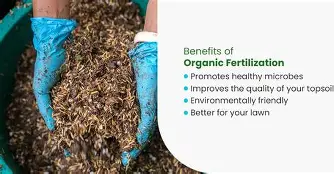
Compost, a product of decomposed organic matter, offers significant advantages over manure. By harnessing the power of beneficial bacteria, farms can convert manure into compost more quickly than the natural process.
The Compost Production Process
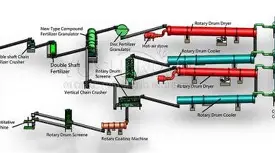
In this article, we will delve into the intricacies of large-scale compost production using EarthCare Farm in Rhode Island as a case study. The farm demonstrates an efficient and sustainable approach to composting that can be scaled up for larger operations.
Optimizing Compost Production for Large Scale Farms
- Selection of appropriate carbon and nitrogen sources;
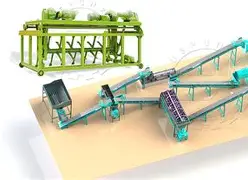
- Proper management of moisture, temperature, and aeration levels;
- Regular turning and monitoring of the compost pile to ensure proper decomposition;
- Utilization of local ecology to manage pests and rodents.
The Benefits of Large-Scale Compost Production
Compost application offers a plethora of benefits for large-scale farms. These include:
- Improved soil structure and fertility;
- Enhanced water retention and reduced erosion;
- Reduced reliance on synthetic fertilizers, thereby promoting sustainability;
- Increased biological activity in the soil, leading to healthier crops.
A Win-Win Scenario for Farmers and Investors
By adopting organic fertilization techniques such as large-scale compost production, farmers can not only ensure the long-term sustainability of their operations but also cater to growing investor interest in environmentally friendly agriculture. This presents a lucrative opportunity for institutional investors seeking to invest in sustainable agribusiness ventures.
Conclusion
In the pursuit of a greener and more sustainable future for agriculture, organic fertilization techniques such as large-scale compost production are indispensable. By adopting these methods, farmers can strike a balance between traditional wisdom and modern innovation, ensuring both profitability and environmental stewardship.