Biodiversity in Farming: Why Monoculture is Failing
Introduction
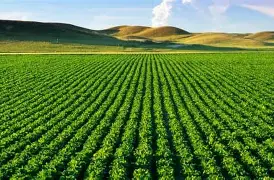
In the pursuit of maximizing output and efficiency, modern agriculture has increasingly relied on monoculture farming practices. However, this approach, characterized by large-scale cultivation of a single crop species, is proving to be detrimental to both agricultural sustainability and biodiversity.
The Failure of Monoculture
Monoculture farming systems have several drawbacks. First, they increase the vulnerability to crop diseases and pests, as a single species lacks genetic diversity to adapt and resist threats effectively.
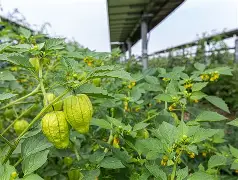
Second, monoculture farming contributes to soil degradation due to the lack of nutrient recycling and biological interactions among different plant species.
The Importance of Biodiversity in Farming
A diverse farming system incorporates multiple crop and animal species, promoting ecological stability, resilience, and productivity. This approach encourages biodiversity by preserving habitats for native flora and fauna, enhancing the overall ecosystem health.
Case Studies
- Ireland: The Irish Potato Famine of 1845 serves as a grim reminder of the catastrophic consequences that monoculture can bring about.
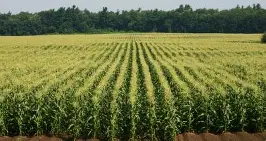
- United States (1970): Southern corn blight caused devastation in 15% of all corn production, highlighting the risks associated with monoculture farming.
- Global Banana Plantations: Modern-day banana plantations continue to suffer from diseases due to a lack of genetic diversity and heavy reliance on monoculture practices.
Alternatives to Monoculture
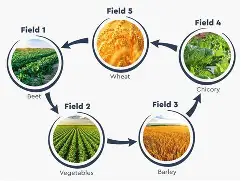
To combat the negative effects of monoculture, farmers can adopt more sustainable farming practices such as agroforestry, crop rotation, and intercropping. These techniques promote biodiversity and ecosystem health while reducing environmental impacts.
Conclusion
Monoculture farming has been a cornerstone of modern agriculture, but its failure to deliver long-term sustainability and biodiversity conservation necessitates a shift towards more diversified farming systems. By embracing sustainable agricultural practices, we can protect our planet’s natural resources while ensuring food security for future generations.