Digital Literacy Programs for Smallholder Farmers in Emerging Markets
Introduction
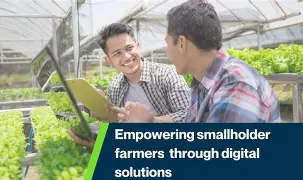
In the rapidly evolving landscape of agriculture, digital literacy programs play a crucial role in empowering smallholder farmers in emerging markets. These initiatives bridge the gap between traditional farming practices and modern technology, enabling farmers to optimize their productivity, sustainability, and profitability.
Digital Extension Services: A Promising Solution
Digital extension services leverage Information and Communication Technologies (ICT) to deliver agricultural advisory services, information, and support to farmers. These services are instrumental in precision farming, providing real-time data on weather and soil conditions and best management practices.

Case Study: Nigeria
As a case study, we will focus on Nigeria. Here, digital extension services have been instrumental in overcoming the challenges faced by smallholder farmers, such as limited access to information, inputs, and markets.
Innovative Digital Solutions: Uganda’s Finance Sector
Across the globe, innovative digital solutions are transforming lives in least developed countries. In Uganda, these solutions have enabled millions of people, including 40% women, to access financial services for the first time.

Conclusion
Embracing digital literacy programs is a strategic move towards sustainable development and food security in emerging markets. By equipping smallholder farmers with the tools to leverage technology, we can drive transformation, increase productivity, and create a more resilient global agribusiness landscape.

Future Trends: Precision Agriculture and Sustainable Development
Looking ahead, precision agriculture will continue to be a key driver of innovation in the agtech sector. By integrating digital technologies with sustainable development practices, we can create a more efficient, resilient, and equitable global food system.
Global Agribusiness Trends: Embracing Technology for Growth
Institutional investors are increasingly recognizing the potential of agtech solutions to drive growth and create value in emerging markets. By investing in digital literacy programs, they can support smallholder farmers, promote sustainable development, and contribute to global food security.
Conclusion
As we move forward, it is essential to prioritize digital literacy programs for smallholder farmers in emerging markets. By doing so, we can ensure a more sustainable, equitable, and resilient global food system.