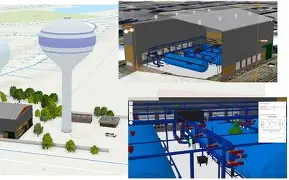
Digital Twins for Water Management in Large Scale Olive Groves: Revolutionizing Precision Agriculture
Understanding Digital Twins
In the rapidly evolving landscape of AgTech, digital twins emerge as a transformative tool for optimizing large-scale farming operations. A digital twin is a virtual replica of an object or system that mirrors its physical counterpart in real-time. This allows us to analyze and make data-driven decisions that can significantly improve performance and sustainability.
To illustrate this concept, let’s consider the example of a wind turbine. Sensors are fitted to the actual turbine to capture relevant data such as energy output and temperature. This data is then applied to the digital twin, providing an accurate representation of the physical asset in the virtual environment.
Digital Twins for Water Management
In the context of olive groves, digital twins can be instrumental in managing water resources efficiently and sustainably. As we know, water is crucial for the growth and yield of olive trees, making optimal management essential for financial viability and environmental preservation.
Digital twins for water management in large-scale olive groves collect real-time data from various sensors installed throughout the farm. This data includes soil moisture levels, evapotranspiration rates, and water consumption by the trees. The insights gathered can help farmers make informed decisions about irrigation scheduling, water usage optimization, and potential issues such as drought or waterlogging.

Implementing Digital Twins for Water Management
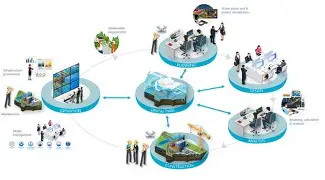
The successful implementation of digital twins in water management involves three key steps:
- Data Collection: Install sensors throughout the olive grove to capture relevant data on soil moisture, evapotranspiration rates, and water consumption.
- Data Processing: Use machine learning algorithms to analyze the collected data and generate insights about optimal irrigation scheduling, water usage optimization, and potential issues such as drought or waterlogging.
- Decision-making: Make informed decisions based on the insights generated by the digital twin system. This may involve adjusting irrigation schedules, optimizing water usage, and addressing potential issues in a timely manner.
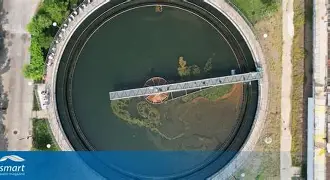
Benefits of Digital Twins for Water Management
The implementation of digital twins in water management offers several benefits, including:
- Improved Resource Efficiency: By optimizing water usage and scheduling irrigation effectively, farmers can minimize waste and ensure that resources are used as efficiently as possible.
- Enhanced Sustainability: Digital twins can help farmers make data-driven decisions that promote sustainable practices in water management, preserving the environment for future generations.
- Increased Financial Viability: By reducing waste and optimizing resource usage, farmers can lower their costs and increase profitability over time.
Conclusion
In the era of precision agriculture, digital twins represent a powerful tool for optimizing water management in large-scale olive groves. By collecting real-time data, processing it using machine learning algorithms, and making informed decisions based on the insights generated, farmers can enhance resource efficiency, promote sustainability, and increase financial viability. As the AgTech landscape continues to evolve, digital twins are poised to play a pivotal role in shaping the future of global agribusiness trends.