The Convergence of Physical and Digital Accessibility in Inclusive Housing Frameworks
Accessibility is the operationalization of equity within the built environment. It requires a systemic integration of physical modifications and digital interfaces to ensure autonomy for all users. This synthesis transforms housing from a mere shelter into a catalyst for social participation.
Technical compliance in residential infrastructure often centers on the Americans with Disabilities Act and Section 504 of the Rehabilitation Act. These mandates dictate specific spatial parameters, such as 36-inch wide doorways and roll-under sinks, to facilitate mobility. Such specifications are not optional additions but are core requirements for legal and functional viability.
Beyond basic mobility, inclusive housing must address sensory impairments through integrated alert systems. This includes the installation of visual strobe lights and bell signals for fire alarms to support those with hearing impairments. These technical redundancies ensure that safety protocols are universally accessible regardless of the resident’s sensory capacity.
Housing in the EU: accessibility, disability rights, vulnerable groups
The Global Housing Crisis and the Poewr of Housing | WUF13 | United Nations
Shaping a Better Future: Facing the Housing Crisis, Rising Inequalities, & a Changing Climate| WUF12
A Brief But Spectacular take on building inclusive communities
Digital Accessibility as an Extension of Urban Infrastructure
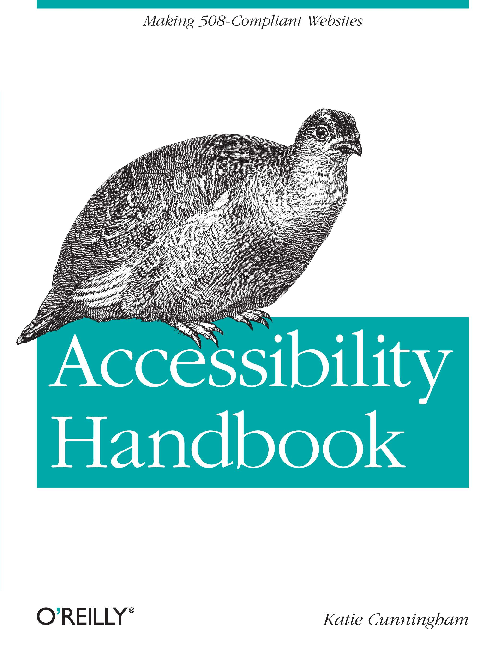
The transition to smart urban environments necessitates that the digital layer of housing management adheres to Section 508 standards. As outlined in technical guides like the Accessibility Handbook, web accessibility ensures that individuals with complete blindness or low vision can navigate housing portals via screen readers. Digital inclusivity is the prerequisite for accessing physical housing resources.
Implementing WAI-ARIA (Web Accessibility Initiative – Accessible Rich Internet Applications) allows for the creation of dynamic web content that remains interpretable by assistive technologies. This technical layer prevents the digital divide from becoming a barrier to housing applications. When digital interfaces are optimized, the friction between the user and the service provider is minimized.
Expanding the Scope of Inclusivity: Social and Ecological Dimensions
Pet-Inclusive Housing and Risk Mitigation
Inclusive housing policies must extend to the ecological and emotional bonds between residents and their animals. A significant gap exists between pet ownership rates and the availability of affordable, pet-friendly rentals. This discrepancy often leads to pet surrender, highlighting a failure in urban housing flexibility.
Landlord resistance to pet-inclusive housing is typically rooted in risk perception regarding noise and property damage. Addressing this requires universal design standards that incorporate durable materials and clear communication frameworks. By shifting the focus from risk avoidance to risk management, urban planners can increase housing stability.
Policy Integration and the Human Rights Paradigm
The European Union’s approach frames accessible housing not as a charitable gesture but as a fundamental human right. This paradigm shift necessitates the integration of accessibility requirements directly into the financing and planning phases of housing initiatives. It moves the conversation from “accommodation” to “inherent design.”
Achieving this requires the deployment of universal design, which ensures that environments are usable by all people to the greatest extent possible without the need for adaptation. This includes the widespread implementation of roll-in showers and visitable ground-floor units. Such foresight reduces the long-term cost of retrofitting existing structures.
The synergy between physical modifications, such as wheelchair ramps, and digital accessibility creates a seamless user experience. When these elements are coordinated, the result is a resilient urban infrastructure. This holistic approach ensures that dignity and independence are embedded in the city’s fabric.
FAQ
What is the difference between visitable and fully accessible units?
Visitable units ensure that the primary social areas and at least one bathroom are wheelchair-accessible, allowing guests to enter and move. Fully accessible units meet more stringent requirements, including specialized fixtures like roll-under sinks and lowered countertops for permanent residents with mobility impairments.
How does Section 508 impact housing accessibility?
Section 508 ensures that the digital tools used to find, apply for, and manage housing are accessible to people with disabilities. This includes optimizing websites for screen readers and ensuring that digital forms are navigable for those with visual or motor impairments.
Why is universal design preferred over specific adaptations?
Universal design creates environments that are inherently usable by everyone, regardless of age or ability, from the outset. This eliminates the need for costly, disruptive retrofits and removes the stigma associated with specialized “adaptive” modifications.