The Evolution of Residential Spatiality: From Agrarian Decentralization to Algorithmic Urbanism
Two centuries ago, the United States functioned primarily as an agrarian society where residential patterns were dictated by land availability and subsistence requirements. In 1790, urban density was concentrated in only five cities with populations exceeding 10,000, leaving the vast majority of the population in decentralized rural settings. This era was characterized by a high degree of land accessibility and a lack of formal regulatory frameworks governing residential placement.
The mid-19th century triggered a seismic shift in tenure and residency as technological advancements in infrastructure, such as steam ferries and railroads, facilitated rapid internal mobility. Between 1830 and 1850, urban populations grew by 64% and 92% respectively, forcing a transition toward multifamily housing and the emergence of tenement structures for the industrial workforce. This period marked the first systemic tension between rapid population influx and the available urban housing stock.
As the 20th century progressed, the objective of housing policy shifted toward the democratization of ownership, particularly following World War II. Homeownership rates surged from 43.6% in 1940 to 61.9% by 1960, driven by innovations in financing and the expansion of suburban footprints. This era established the single-family home as the primary vehicle for middle-class wealth accumulation, fundamentally altering the ecological footprint of American settlements.
Federal HUD policy change forces local housing group to quickly rewrite programs
‘DIRECT RESULT OF THE GOVERNMENT!’: Panel TORCHES housing policies CRUSHING Gen Z
How do Ontario’s new housing policies work? | #onpoli
Trump promises ‘AGGRESSIVE’ housing reform in 2026
Contemporary Systemic Constraints and Market Volatility
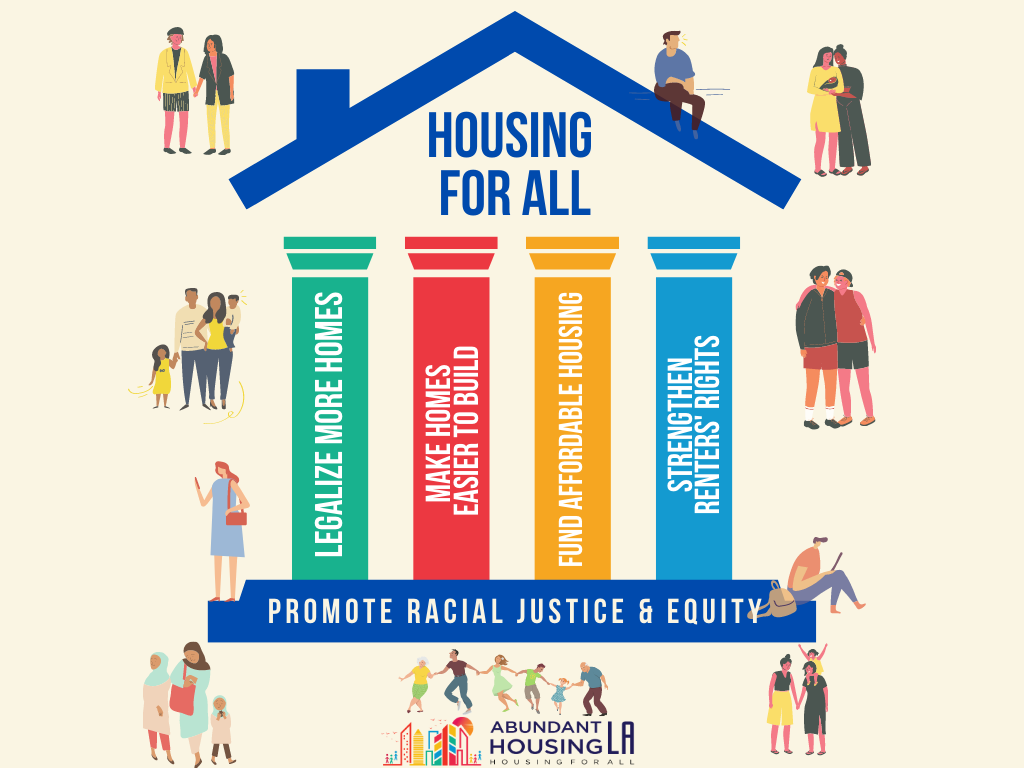
Modern housing policy is currently grappling with a chronic undersupply that has not recovered to pre-2008 levels. This deficit is exacerbated by restrictive zoning and land-use regulations that prohibit the construction of multifamily units and modest-lot homes in high-growth regions. Consequently, home prices have escalated by nearly 55% since the start of the pandemic, pushing the median age of first-time buyers to a record high of 40 in 2025.
The current crisis is not merely a function of volume but of market manipulation and financialization. The emergence of algorithmic rent-setting software has enabled price collusion among landlords, while large institutional investors have increasingly targeted single-family homes for portfolio acquisition. These factors have created a market where roughly one-third of all households are considered housing cost burdened, spending over 30% of their income on shelter.
From a technical perspective, the lack of supply elasticity renders demand-side subsidies largely ineffective. When supply is constrained by regulatory bottlenecks, financial assistance often results in higher nominal prices rather than increased accessibility. This necessitates a strategic pivot toward scaling production and reforming the regulatory barriers that stifle urban densification.
Legislative Interventions and Infrastructure Shifts
Recent legislative efforts, such as the 21st Century ROAD to Housing Act, attempt to mitigate these pressures by restricting institutional investor purchases of single-family homes. The act also emphasizes the utilization of Opportunity Zones to prioritize housing development in underserved communities. These measures represent a shift toward protecting the individual homeowner against the systemic pressures of corporate real estate acquisition.
Simultaneously, federal funding priorities are undergoing a volatile transition, as seen in recent HUD policy shifts. There is a contentious movement between the permanent housing model and transitional housing, with some funding notices drastically reducing the allocation for permanent solutions. This creates a precarious environment for service providers who must redesign their operational models to meet new, often contradictory, federal standards.
The intersection of AgTech and urban planning suggests a future where housing is integrated with sustainable food systems to reduce the ecological impact of sprawl. By transitioning from the rigid zoning of the 20th century to a flexible, smart infrastructure, cities can integrate high-density residential zones with urban agriculture. This approach addresses both the affordability crisis and the environmental degradation associated with traditional suburban expansion.
FAQ
Why is the current housing supply considered inelastic?
Supply is inelastic because restrictive zoning laws, high financing costs, and rising regulatory expenses prevent developers from increasing the number of units quickly in response to rising demand.
How has the role of institutional investors changed the housing market?
Institutional investors have shifted from commercial real estate to purchasing single-family homes, which reduces the available stock for individual buyers and contributes to the inflation of home prices.
What is the difference between permanent and transitional housing in HUD policy?
Permanent housing provides long-term stability for individuals with chronic disabilities or diseases, whereas transitional housing offers short-term support, typically limited to two years, before the resident must find other arrangements.