The Architecture of Digital Sovereignty: Analyzing Internet Governance through the Lens of Sustainable Infrastructure
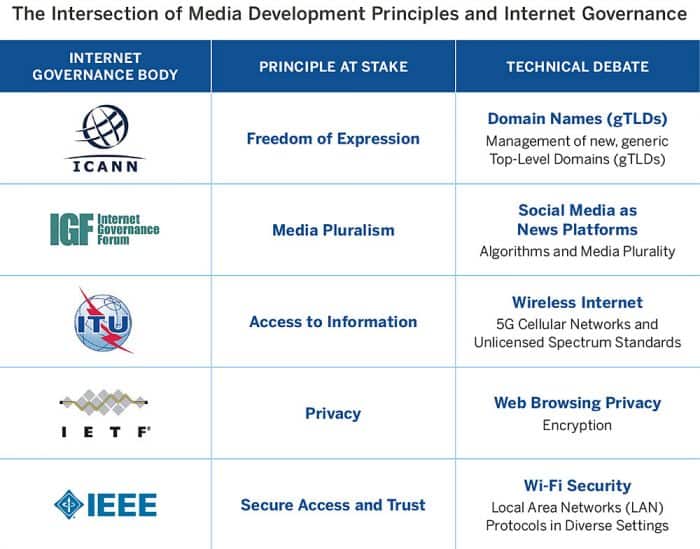
Internet governance is defined by the Tunis Agenda as the development and application of shared principles, norms, rules, decision-making procedures, and programs that shape the evolution and use of the Internet. This framework is not merely a bureaucratic exercise but a systemic requirement for the operational stability of global digital networks. It necessitates a coordinated effort between governments, the private sector, and civil society to ensure the network remains a viable utility for global innovation.
The efficacy of this system relies on the Multistakeholder model, which distributes roles and responsibilities across diverse actors to prevent the concentration of power. By integrating the perspectives of technical experts, policy-makers, and end users, the model mitigates the risk of vested interests dominating the digital trajectory. This collaborative approach is essential for maintaining a neutral substrate upon which critical sustainable technologies can be deployed.
The success of the global network is fundamentally rooted in open technical standards and transparent, collaborative governance processes. These elements ensure that technology development remains freely accessible, preventing proprietary silos that could hinder the scalability of environmental monitoring systems. Without these open protocols, the interoperability required for smart urban infrastructure would be compromised by fragmented digital policies.
The Internet isn’t just technology – it’s governance, policies, and voices shaping its future
Systemic Interdependencies: Digital Policy and Ecological Impact
From the perspective of sustainable development, Internet governance acts as the invisible layer of infrastructure that enables AgTech and smart city optimization. The deployment of precision agriculture relies on the seamless flow of data across borders, which is only possible through stable, non-discriminatory digital policies. If governance fails to maintain open access, the resulting data fragmentation would impede the real-time optimization of nitrogen application and water usage in industrial farming.
In urban environments, the intersection of digital policy and infrastructure is evident in the management of smart grids and autonomous transit systems. These systems require a governance framework that prioritizes interoperability over vendor lock-in to ensure long-term ecological resilience. When digital policies favor open standards, cities can integrate diverse sensor arrays to reduce carbon emissions without becoming dependent on a single proprietary ecosystem.
The ecological footprint of the digital layer is also a critical consideration for environmental technologists. Governance policies that dictate the efficiency of data routing and the administration of network resources directly influence the energy consumption of global data centers. Therefore, the technical coordination provided by organizations like ICANN is not just a matter of connectivity, but a factor in reducing the systemic energy overhead of the global web.
The Role of End-User Agency in Technical Evolution
The participation of end users is a critical safeguard against the ossification of the internet into a closed corporate utility. By engaging in governance fora, the At-Large community provides a feedback loop that allows for the rapid analysis of how policy implementation affects actual usage patterns. This grassroots technical intelligence is vital for identifying inefficiencies in the digital layer that could hinder sustainable innovation.
Furthermore, the geographical diversity of user representation ensures that digital policies are not biased toward the Global North. In the context of sustainable development, this inclusivity is paramount for deploying AgTech solutions in diverse climatic zones. A governance model that ignores the needs of the Global South would result in a digital divide that exacerbates ecological instability in vulnerable regions.
Ultimately, the digital policy framework must evolve to recognize the internet as a critical utility for planetary health. The transition from a purely commercial or social tool to a foundational layer for ecological management requires a governance model that is as adaptive as the technologies it oversees. Only through a transparent, multistakeholder approach can we ensure that the digital evolution aligns with the imperatives of sustainable development.
FAQ
What is the Multistakeholder model in the context of Internet governance?
It is a governance framework where governments, the private sector, and civil society share the process of shaping the internet, each contributing specific roles and responsibilities to ensure the ecosystem remains open and balanced.
How does the Tunis Agenda influence current digital policy?
The Tunis Agenda provides the foundational definition of Internet governance, establishing the shared principles and norms that prevent any single entity from exerting total control over the network’s evolution.
Why are open technical standards critical for sustainable infrastructure?
Open standards prevent proprietary silos, ensuring that different technologies—such as AgTech sensors and urban energy grids—can communicate seamlessly, which is essential for maximizing resource efficiency and reducing waste.