Systemic Digital Convergence: Re-engineering North Africa’s Sustainable Development Framework
North Africa is transitioning from fragmented digitization to a systemic integration of emerging technologies to mitigate structural socio-economic disparities. This shift is characterized by the deployment of high-compute solutions to address inefficiencies in resource management and public service delivery. The convergence of youth-led innovation and strategic investment is redefining the region’s developmental trajectory.
The acceleration of this transformation is heavily dependent on the scalability of digital infrastructure and the reduction of broadband costs. While the World Bank has mobilized significant capital to build digital foundations, the disparity in access remains a critical bottleneck. Closing this gap is essential for the democratization of technical knowledge and economic opportunity across the region.
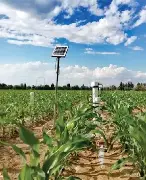
The intersection of AgriTech and environmental sustainability is particularly evident in the deployment of AI-driven monitoring systems. In Morocco, these tools are utilized to optimize resource allocation and enhance the predictive accuracy of crop yields. This transition toward precision agriculture is vital for ensuring food security in arid climates.
Accelerating Africa’s Digital Transformation: One of the Greatest Development Opportunities
Smart Urbanism and Infrastructure Optimization
Data-Driven Urban Planning
Tunisia is leveraging data-driven models to optimize urban mobility and public transport systems. This application of AI in urban planning reduces systemic congestion and improves the efficiency of municipal services. Such Smart Urban Infrastructure is critical for managing the rapid urbanization of North African cities.
Digital Public Services
The adoption of AI in public services is steadily gaining momentum to bridge development gaps. By automating administrative workflows and enhancing data transparency, governments can accelerate the attainment of Sustainable Development Goals. These technical implementations reduce bureaucratic friction and increase the agility of state responses to crises.
Ecological Impact and Environmental Technology
Green Tech Integration
The deployment of Solar-powered IoT devices is facilitating a transition toward a low-carbon economy. These devices, combined with smart water management systems, allow for real-time monitoring of critical environmental variables. This technical synergy is essential for combating the region’s specific climate vulnerabilities.
Resource Management Systems
Digital tools are advancing green transitions by optimizing the consumption of scarce natural resources. The integration of renewable energy platforms ensures that the digital expansion does not come at the cost of ecological degradation. These systems provide the analytical depth required for sustainable land-use planning.
The Human Capital Engine and Socio-Technical Barriers
The Startup Ecosystem
The emergence of high-growth startups, such as InstaDeep, signals a shift toward a knowledge-based economy. Incubators like Flat6Labs and RiseUp are providing the necessary venture capital and mentorship to scale these innovations. This ecosystem transforms local challenges into scalable business opportunities.
Educational Technology and Inclusion
EdTech platforms like EDUS in Algeria and SmartSchool in Morocco are bridging the pedagogical gap for marginalized populations. By tailoring content to linguistic and cultural needs, these platforms equip the youth with the skills required for a digital economy. This is a prerequisite for maintaining a competitive workforce in a globalized market.
The Digital Gender Divide
Despite technical progress, a significant gender gap persists in technology adoption and leadership. Initiatives like SheTech Tunisia and the TechWomen Network are implementing targeted interventions to integrate women into the technical workforce. Achieving universal digital connectivity is the prerequisite for inclusive sustainable development.
FAQ
How is AI specifically impacting North African agriculture?
AI is being used for agricultural monitoring to optimize the use of resources and predict crop yields with higher accuracy, as seen in Morocco’s current initiatives.
What role do youth-led startups play in the region’s transformation?
Youth entrepreneurs are driving the innovation wave through startups and incubators like Flat6Labs and RiseUp, creating solutions that address long-standing development challenges.
What are the primary infrastructure barriers to digital transformation in Africa?
The primary barriers include limited digital infrastructure, fragmented policies, and high costs of broadband data compared to developed nations.