The Geopolitical Architecture of Internet Governance in Brazil
Digital sovereignty in Brazil is fundamentally tied to the physical architecture of transcontinental data flows. The historical reliance on submarine cables owned by a few commercial consortia has created a strategic vulnerability. This dependency necessitates a shift toward infrastructure treated as a common good.
The ELLALINK project represents a pivot toward reducing access costs and diversifying connectivity between Latin America and Europe. By allocating indefeasible access rights to non-commercial backbone providers, Brazil seeks to mitigate the influence of the GAFAs. This move aligns with the long-term goals of the Rede Nacional de Pesquisa (RNP).
The Brazilian Internet Steering Committee (CGI) and the RNP provide the structural pillars for a governance model that prioritizes net neutrality. This framework aims to limit commercial interference in traffic management to ensure academic and research continuity. Such a model is essential for maintaining the integrity of national data ecosystems.
The Internet is About to Change Forever: The Quantum Web Unveiled
How the Internet Will Transform Our Lives in the Next 5 Years
The Internet Will Change Forever in 2026 Here Is What Is Coming Next
The Future of the Internet: 10 Bold Predictions | Future with AI
The Conflict Between Multi-Stakeholder and Top-Down Governance
The Multi-Stakeholder Paradigm
Brazil has championed a multi-stakeholder model, as evidenced by the consultation process of the Marco Civil law. This approach integrates civil society, academia, and private sectors to ensure a bottom-up operational logic. The NETmundial summit further solidified this by emphasizing human rights as the underpinning of internet governance.
State-Centric Alternatives
Conversely, a top-down approach, advocated by nations such as Russia and China, seeks greater government control over the network. Brazil has historically navigated a complex path between these two poles. While pushing for freedoms domestically, previous alignments with the International Telecommunication Union (ITU) have shown internal contradictions in foreign policy.
Quantum Transition and the Future of Data Security
The transition toward a Quantum Web introduces a paradigm shift in data security through the no-cloning theorem. This physical law prevents the copying of quantum signals, rendering traditional interception methods obsolete. The deployment of quantum repeaters allows for the teleportation of information across fiber optic cables.
Through entanglement swapping, Brazil can potentially move beyond traditional signal amplification. This technology creates a secure web of entanglement that is physically protected from hacking. For a state seeking digital sovereignty, the adoption of quantum infrastructure is no longer a theoretical luxury but a requirement for national survival.
Implications for AgTech and Smart Urban Infrastructure
Data Sovereignty in Precision Agriculture
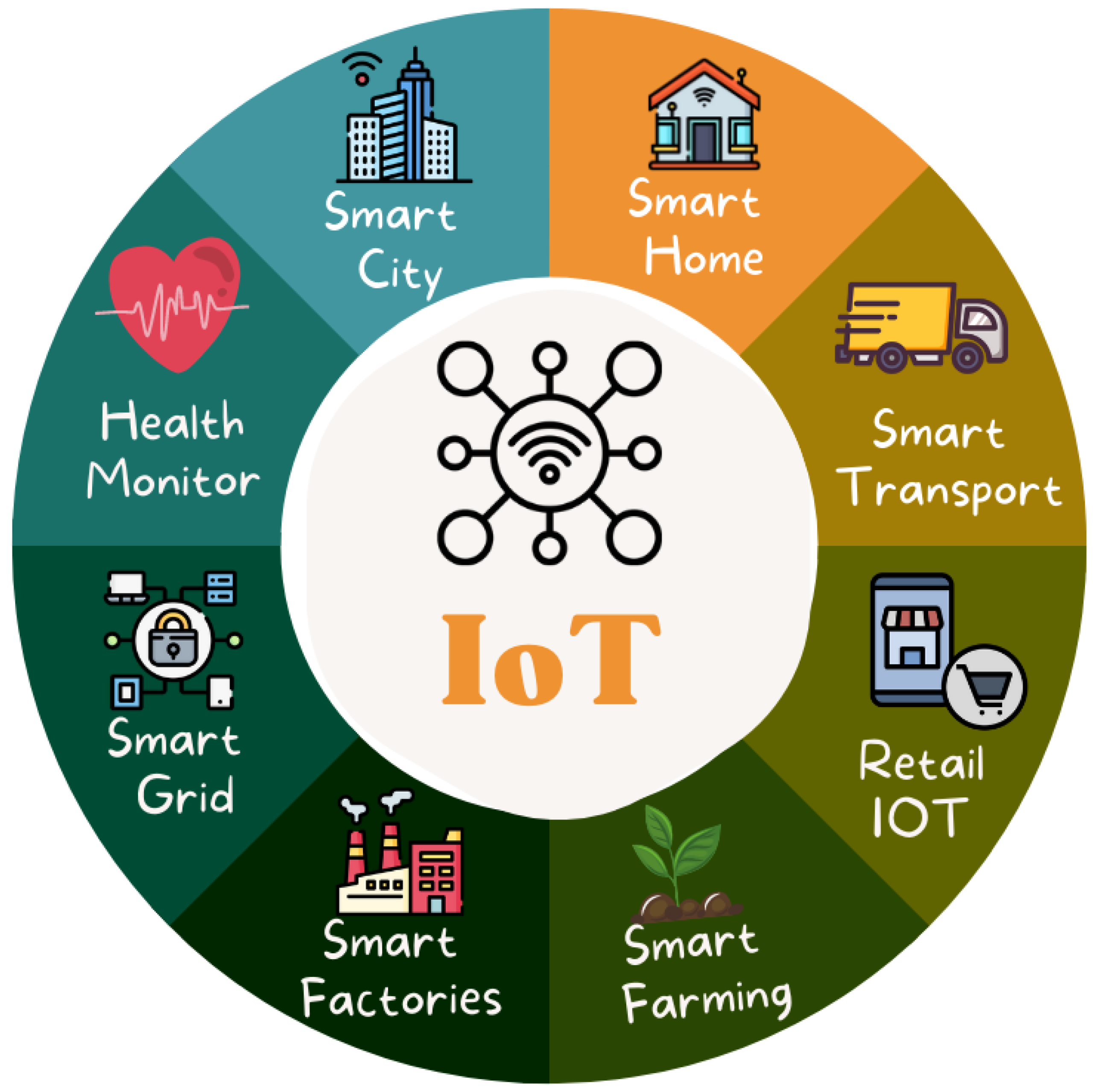
The intersection of internet governance and AgTech is critical for sustainable development. If the underlying infrastructure is controlled by external commercial entities, the telemetry data from precision agriculture becomes a tool for foreign market manipulation. Localized governance ensures that ecological impact data remains a public asset.
Smart Cities and Ecological Impact
Urban planning in the era of smart infrastructure requires a governance model that prevents vendor lock-in. By treating the network as a common good, Brazil can deploy urban sensor networks that prioritize ecological sustainability over commercial profit. This ensures that smart city optimization is driven by environmental metrics rather than proprietary algorithms.
FAQ
What is the role of the RNP in Brazilian internet governance?
The Rede Nacional de Pesquisa (RNP) acts as a non-commercial academic network that supports the multi-stakeholder model by providing critical infrastructure for research and education across the territory.
How does the no-cloning theorem affect internet security?
The no-cloning theorem is a principle of quantum mechanics that makes it physically impossible to create an identical copy of an unknown quantum state, thereby preventing hackers from stealing information without destroying the signal.
What was the primary outcome of the NETmundial summit?
The summit produced the Multistakeholder Statement of Sao Paulo, which asserts that human rights, as reflected in the Universal Declaration of Human Rights, should underpin all internet governance principles.