The Impact of Climate Change on Global Food Security in 2026
Welcome to a future where the grocery shelves are empty, and the prices skyrocket. This isn’t a dystopian movie; it’s the reality unfolding in 2026. The World Food Program warns that 318 million people are facing acute hunger, more than double pre-pandemic levels.
A Perfect Storm of Climate Shocks, Conflicts, and Economic Woes
The 2026 food crisis is a perfect storm of climate shocks, conflicts, and economic woes. Let’s start with the stark numbers. The WFP’s global outlook projects 318 million in crisis-level hunger, but they can only help 110 million due to funding shortfalls, leaving millions behind.
Climate Change: The Accelerant to Storing Crops and Livestock
- Droughts:
- Affecting crops and livestock, leading to reduced availability of food.
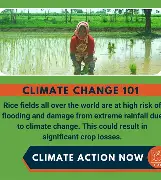
- Floods:
- Destroying crops and infrastructure, leading to increased costs for farmers and reduced yield.
- Extreme Weather Conditions:
- Increasing the frequency and severity of heatwaves and storms, leading to crop failures and livestock deaths.
Conflicts: The Driver of Acute Hunger Cases
Conflicts drive 69% of acute cases, but climate extremes are the accelerant to storing crops, livestock, and livelihoods.
Economic Shocks: The Amplifier of the Food Crisis
Higher food prices due to crop failures, trade disruptions, and increased transportation costs exacerbate the food crisis, especially for vulnerable populations.
The Role of Everyday Choices in the Global Food Mess
Everyday choices, like what you eat or how you vote, play a significant role in the global food mess. Consumption patterns, particularly in developed countries, drive demand for resource-intensive foods and contribute to environmental degradation.
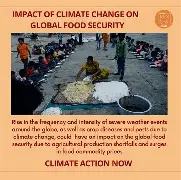
The Digital Solution: Reducing Disaster Risks and Impacts
Digital technology offers solutions to reduce disaster risks and impacts on agri-food systems. Innovations such as artificial intelligence, remote sensing, mobile connectivity, drones, and sensors can deliver integrated hyper-local, real-time, and actionable risk information.
Towards a Resilient Food System for a Warming World
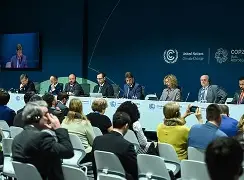
To build a resilient food system, we must invest in early warning systems, adaptive agriculture practices, risk transfer mechanisms, and anticipatory actions. A proactive approach to risk reduction and prevention will be crucial in mitigating the impact of climate change on global food security.