Desalination for Agriculture: Economic Viability in Coastal Regions
Introduction
In coastal regions, the challenges of water scarcity and food security are increasingly pressing. Rising sea levels, excessive groundwater use, and degradation of agricultural land have left many communities struggling to irrigate crops and secure clean water supplies.
Smart Water Supply with Desalination System: A Revolutionary Solution
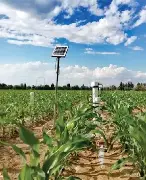
To address these challenges, innovative solutions like Switch, a smart water supply system integrating desalination and smart drip irrigation powered by the Internet of Things (IoT), are being developed. By combining seawater desalination with smart drip irrigation, systems like Switch can ensure long-term cost savings, boost productivity, and conserve vital water resources for future generations.

Growing Crops in the Desert with Seawater: A Promising Approach
Another innovative approach is the Sea Water Greenhouse, designed to grow crops in arid regions by cooling and humidifying the environment, reducing the amount of water needed for irrigation.

Economic Viability: Making Desalination Work for Agriculture
While the initial investment in desalination infrastructure can be high, the long-term cost savings and increased productivity make these solutions economically viable. For example, implementing a Sea Water Greenhouse to feed Somalia’s population of 4 million would cost approximately 400 million dollars, a significant but manageable figure when considering the annual aid budget for Sub-Saharan Africa.