TICs, Gender Equality, Diversity, and the Future of Internet Governance in Brazil
The deployment of Information and Communication Technologies (TICs) within Brazil’s socio-technical landscape is not merely a matter of hardware distribution but a complex challenge of systemic optimization. Effective internet governance requires a framework that transcends basic connectivity to address the structural asymmetries inherent in digital access. When governance models ignore the intersection of gender and diversity, they risk codifying existing social biases into the very architecture of the network.
Cognitive diversity within the technical strata of internet governance directly correlates with the resilience and utility of the resulting digital products. Integrating varied perspectives ensures that the development of protocols and platforms accounts for a broader spectrum of user needs, thereby reducing the risk of algorithmic bias. This approach transforms diversity from a social metric into a strategic technical asset that enhances the functionality of digital ecosystems.
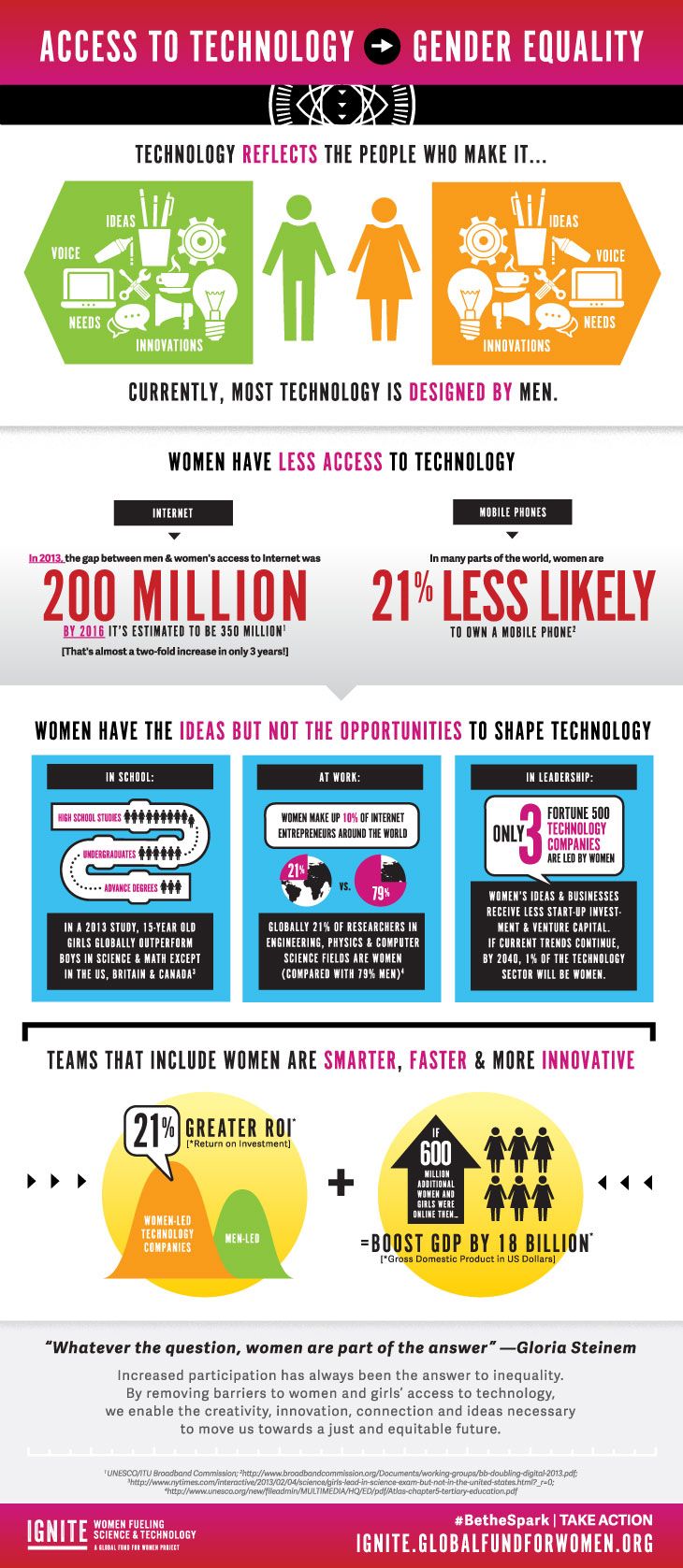
The United Nations’ 2030 deadline for Sustainable Development Goals emphasizes the urgency of closing the gap in women’s rights within the digital space. Data from the Gender Snapshot Report indicates that while progress has been made in educational attainment, the translation of these gains into technical leadership remains uneven. Achieving parity in the digital sphere is essential for ensuring that the future of internet governance is not a monolithic reflection of a narrow demographic.
Rewriting a Gender-Equal Future: Data, Tech and the 2030 Deadline – SDG Media Zone | United Nations
What impact will AI have on gender equality? | Global Stage | GZERO Media
DigitALL: Innovation and technology for gender equality | #IWD2023
AI and Gender
The Geopolitical Friction of DEI in Technical Governance
Current global trends reveal a sharp polarization regarding Diversity, Equity, and Inclusion (DEI) frameworks, particularly within the United States. The emergence of political movements targeting “equity initiatives” and the classification of DEI as a discriminatory practice create a volatile environment for international governance standards. Brazil must navigate this friction by grounding its DEI strategies in empirical utility rather than ideological volatility.
From a technical standpoint, the exclusion of marginalized groups from the governance process leads to a fragmented digital divide. When the architects of the internet do not reflect the diversity of the population, the resulting infrastructure often fails to serve the periphery. This failure is evident in the lack of localized, inclusive interfaces and the persistence of barriers for women in high-tech leadership roles.
The tension between DEI as a strategic necessity and DEI as a political target highlights the need for institutionalized standards. Rather than relying on discretionary corporate policies, the transition toward formal certifications can provide a stable baseline for equality. Such frameworks ensure that inclusion is treated as a measurable performance indicator rather than a transient corporate trend.
Intersectionality in AgTech and Smart Urban Infrastructure
The integration of TICs into sustainable agriculture and urban planning requires an intersectional governance model to be effective. In Brazil, the deployment of AgTech often overlooks the specific needs of female producers, who frequently face greater barriers to credit and technical training. Without a diversity-centric approach to technology distribution, the digital transformation of the countryside will exacerbate existing gender disparities.
Similarly, smart urban infrastructure must be designed through a lens of equity to avoid creating “digital ghettos.” Urban planning that utilizes AI for resource allocation must be audited by diverse teams to prevent the automation of historical prejudices. The goal is to create a city where the technological layer enhances the quality of life for all citizens, regardless of socioeconomic or gender identity.
The synergy between environmental technology and social inclusion is found in the concept of “environmental justice.” By ensuring that diverse populations are involved in the governance of smart grids and waste management systems, cities can achieve a more balanced ecological impact. This ensures that the benefits of sustainable development are distributed equitably across the urban fabric.
Institutionalizing Equality through Technical Certification
The adoption of formal standards, such as the Gender Equality Certification (e.g., UNI/PdR 125:2022), represents a shift toward the professionalization of inclusion. By treating gender equality as a certification process, organizations can move beyond rhetoric and implement verifiable practices. This methodology allows for the identification of specific barriers to professional growth and the implementation of targeted corrective measures.
In the context of Brazil’s internet governance, such certifications could be integrated into the procurement processes for government technology contracts. Requiring vendors to demonstrate a commitment to diversity and equity ensures that the public sector drives the market toward more inclusive practices. This creates a feedback loop where technical excellence is inextricably linked to social equity.
Ultimately, the future of TICs in Brazil depends on the ability to synthesize technical proficiency with a profound commitment to diversity. The objective is to build a digital infrastructure that is not only efficient and sustainable but also fundamentally democratic. Only through the active inclusion of diverse voices can Brazil develop a governance model that is resilient to global volatility and responsive to local needs.
FAQ
How does diversity improve the technical quality of internet governance?
Diversity introduces a wider array of perspectives during the design phase, which allows for the identification and mitigation of algorithmic biases and the creation of products that serve a broader, more representative user base.
What is the relationship between the 2030 SDG deadline and digital rights?
The 2030 deadline serves as a critical temporal marker for achieving gender equality; in the digital realm, this involves ensuring women have equal access to technology, leadership roles, and protection of rights in the digital space.
Why is formal certification preferred over general DEI policies?
Formal certifications provide a standardized, measurable, and auditable framework, transforming vague inclusion goals into concrete institutional requirements that can be tracked and verified.
How does the digital divide impact sustainable agriculture in Brazil?
The digital divide limits the adoption of AgTech among marginalized groups, particularly women, which hinders the overall efficiency of sustainable farming and maintains systemic socioeconomic inequalities in rural areas.