The Economics of Sustainable Farming vs Traditional Methods
Introduction
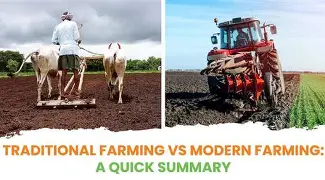
As global population continues to grow and the demand for food, fuel, and fiber increases, farmers must make critical decisions regarding their production methods. This article compares the economics of sustainable farming vs traditional farming methods.
Sustainable Farming: A Holistic Approach
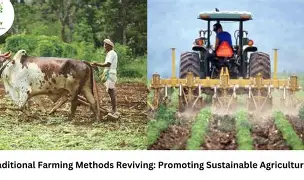
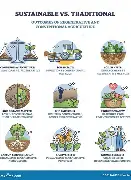
Sustainable farming is a whole-farm approach that aims to produce enough food, fuel, and fiber while minimizing negative environmental impact and enhancing the quality of life for farmers and communities. Key practices include crop rotation, cover crops, rotational grazing, and locally adapted breeds and resistant varieties.
- Productive: Sustainable farming is productive as it creates a healthy growing environment with fewer purchased inputs.
- Profitable: Sustainable practices often lead to increased efficiency and lower costs, allowing for higher profits through value-added strategies and multiple sales channels.
- Environmentally Friendly: Sustainable farming focuses on soil health, ecological pest management, water conservation, and biodiversity.
- Quality of Life: Sustainable farming considers the health and well-being of farmers and their communities.
Traditional Farming: Intensive Practices
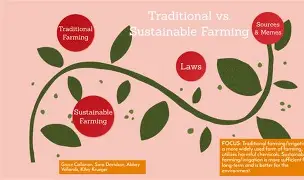
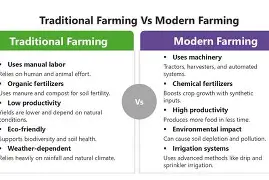
Traditional farming focuses on maximizing crop yields through the use of fertilizers, pesticides, and intensive livestock management. While it can lead to higher short-term profits, traditional farming has significant environmental and health impacts.
The Sustainable vs Traditional Debate
As the world grapples with climate change, the need for sustainable farming practices has become increasingly important. Organic farming, a form of sustainable agriculture, currently accounts for about 1% of agricultural land worldwide and focuses on sustainability, minimizing chemical inputs, and improving soil structure through manure.
- Pros: Organic farming can lead to higher product quality and prices due to consumer demand. It also recycles waste and improves soil structure.
- Cons: Lower yields, smelly manure application, and difficulty applying organic fertilizers are some challenges faced by organic farmers.
Conclusion
Both sustainable and traditional farming have their advantages and challenges. As we move towards a more sustainable future, it is crucial to prioritize practices that are productive, profitable, environmentally friendly, and improve the quality of life for farmers and communities. By embracing a holistic approach, farmers can create resilient and profitable farms while ensuring a healthy planet for generations to come.
Looking Ahead
As global agribusiness trends continue to evolve, the focus on sustainability will become increasingly important. Investors and consumers alike are seeking out farms and companies that prioritize sustainable practices. By adopting a whole-farm approach to sustainability, farmers can not only increase profits but also contribute to a more sustainable and equitable food system.