Governing the Internet in Brazil: Challenges and Opportunities
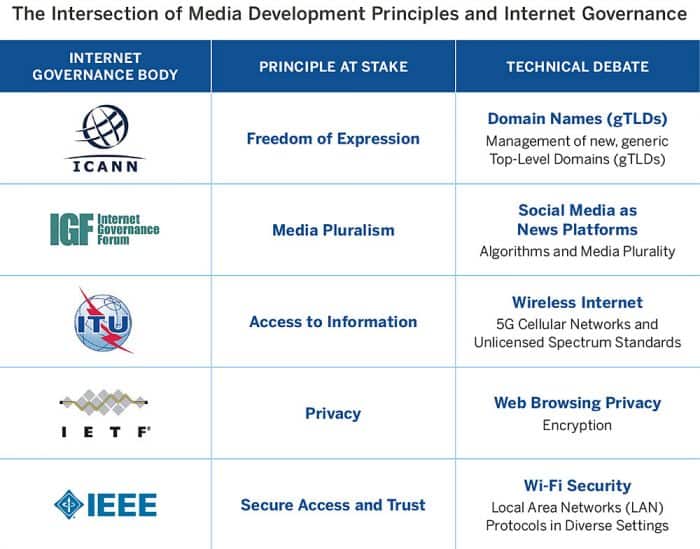
Brazil’s approach to internet governance is defined by a dual-pillar system: the technical-administrative coordination of the Comitê Gestor da Internet no Brasil (CGI.br) and the legal-normative framework of the Marco Civil da Internet (MCI). This architecture seeks to balance the democratic principles of openness and pluralism with the necessity of technical stability. The synergy between these entities establishes a precedent for sovereign digital governance.
The CGI.br operates as a multistakeholder organization, integrating government, private sector, civil society, and the scientific community. This model ensures that the administration of the network is not centralized within a single state apparatus but distributed across diverse interests. Such a structure is critical for maintaining the technical quality and innovation of internet services across the national territory.
Operational support is provided by NIC.br, which manages the “.br” top-level domain and coordinates the Latin American and Caribbean Internet Addresses Register (LACNIC). Furthermore, the Brazilian Computer Emergency Response Team (CERT.br) mitigates systemic risks by monitoring malicious activities and providing early warnings. This technical layer is essential for the resilience of critical digital infrastructure.
Turn Challenges into Opportunities | Powerful Motivation & Inspiration by Tony Robbins
How to Turn Challenges into Opportunities: 10 Mind-Blowing Strategies | Reader Is Leader
Turn Challenges Into Powerful Opportunities
Turn Obstacles Into Opportunities | Embrace Challenges
The Legal Architecture of the Marco Civil
The Marco Civil da Internet functions as a digital bill of rights, prioritizing freedom, privacy, and human rights in cyberspace. Article 7 specifically addresses the inviolability of communications, a provision strengthened in response to global surveillance revelations. This ensures that the secrecy of user communications is protected unless a court order is issued.
However, this privacy mandate has faced significant legislative friction, notably through attempts like the “Big Spy Bill” (PL 215/2015). This proposal sought to compel internet companies to store extensive user data, including home addresses and national ID numbers (CPF). Such measures represent a tension between state security interests and the fundamental right to privacy.
Platform Liability and the Shift in Content Moderation
Current legal discourse focuses on the tension surrounding Article 19 of the MCI, specifically regarding the liability of internet platforms. There is a proposed transition toward a notice and take down model, which would alter how platforms handle offensive content. This shift aims to increase the accountability of providers when they fail to remove illegal material after notification.
Justice Dias Toffoli and Justice Luiz Fux have advocated for the implementation of strict liability in exceptional cases. This would apply to content promoted by algorithms, accounts operated by bots, or publications involving serious crimes such as racism and terrorism. Under this model, platforms would be held responsible regardless of prior notification in evident cases of illegality.
Technical Implications for Digital Infrastructure
The requirement for foreign platforms to maintain legal representation in Brazil is a critical component of this regulatory evolution. This ensures that the Brazilian state can enforce local laws on global entities. Furthermore, the proposed creation of an Internet Oversight Department (DAI) within the National Council of Justice would monitor fundamental rights in the digital environment.
Strategic Intersection: AgTech and Smart Urbanism
From a sustainable development perspective, the governance of data flows is paramount for the deployment of Smart Urban Infrastructure and AgTech. The ability to manage high-velocity data from IoT sensors in precision agriculture requires a stable legal framework that protects intellectual property while ensuring data interoperability. Without clear governance on data secrecy, the scaling of ecological monitoring systems remains precarious.
The integration of these technologies depends on the technical standards promoted by CGI.br and the legal protections of the MCI. If Brazil can resolve the conflict between surveillance and privacy, it will create a secure environment for the deployment of autonomous agricultural systems. This technical stability is the foundation for reducing ecological footprints through optimized resource allocation.
Transforming Regulatory Friction into Opportunity
The current legal volatility regarding content moderation and surveillance should be viewed as a catalyst for refining digital sovereignty. By transforming these regulatory frictions into a structured framework for digital accountability, Brazil can create a blueprint for other emerging economies. The pressure to resolve the conflict between privacy and security is precisely what will forge a more resilient legal architecture.
The transition from a passive regulatory state to an active, multistakeholder governance model allows Brazil to lead in the global digital discourse. By treating these challenges as preparation for a higher level of governance, the country can ensure that its digital future is both innovative and human-centric. The goal is to move from being a subject of global digital trends to becoming a creator of digital destiny.
FAQ
What is the primary function of CGI.br?
CGI.br is a multistakeholder organization responsible for coordinating the implementation, administration, and use of the internet in Brazil, ensuring technical quality and promoting innovation through a democratic process.
How does the Marco Civil da Internet protect user privacy?
It establishes the inviolability and secrecy of the flow of user communications, meaning that personal data and communications cannot be accessed by law enforcement without a specific court order.
What is the difference between the current liability model and the proposed strict liability?
The current model generally requires a court order for platforms to be held liable for third-party content. The proposed strict liability model would hold platforms automatically responsible for specific illegal content, such as hate speech or bot-driven disinformation, even without a court decision.