Supply Chain Logistics for Exporting Mediterranean Citrus to Europe
The Challenges of Seasonal Fruit Production and Distribution
While bananas are easy to produce year-round due to their tropical climate, other fruits like Mediterranean citrus require a specific harvest period. This is because they grow in cooler climates with distinct seasons, making year-round supply unnatural. For instance, the logistics of shipping Mediterranean citrus to Europe can be complex given the seasonality and perishable nature of these crops.

A Look at Current Logistics Practices
In many Mediterranean citrus-producing countries, small to mid-size, independent plantations grow the fruit. These farms typically harvest the citrus on Tuesdays or Wednesdays, and the fruit is transported via cableway systems to central packing plants for processing before being shipped off. This process can be time-sensitive, as Mediterranean citrus is perishable and must be handled carefully to avoid spoilage.
The Role of Transshipment in Global Trade
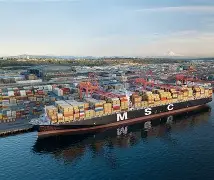
With the increasing volume of Japan-origin cargo and the trend of ending direct Japan-Europe port calls, transshipment services are becoming increasingly important for global trade. This is particularly true for companies like Mediterranean Shipping Company (MSC), which has a strong emphasis on transshipment-based services for Japan to Europe cargo. In fact, MSC’s confidence in its competitiveness in this area is reflected in its recent strategies tailored to regional cargo flows and naming its services accordingly.

The Importance of Sustainable Development and Precision Agriculture
As the global demand for citrus and other fruits continues to grow, it is crucial that we prioritize sustainable development and precision agriculture. This means using technology to optimize resource usage while minimizing environmental impact. For example, precision agriculture techniques can help farmers more accurately predict crop yields, reduce water usage, and improve soil health.
The Future of Mediterranean Citrus Exportation
The future of Mediterranean citrus exportation lies in leveraging technology and precision agriculture to optimize supply chain logistics. By improving efficiency, reducing waste, and ensuring the highest quality products reach consumers worldwide, we can drive growth in the global agribusiness while maintaining a focus on sustainability.
Conclusion
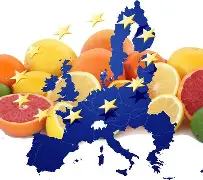
In conclusion, the logistics of exporting Mediterranean citrus to Europe can be complex due to the seasonality and perishable nature of these crops. However, by adopting precision agriculture techniques and leveraging transshipment services, we can improve efficiency, reduce waste, and ensure that the highest quality products reach consumers worldwide while prioritizing sustainable development.