The Architecture of the Network Society: Analyzing the Theoretical Framework of Manuel Castells
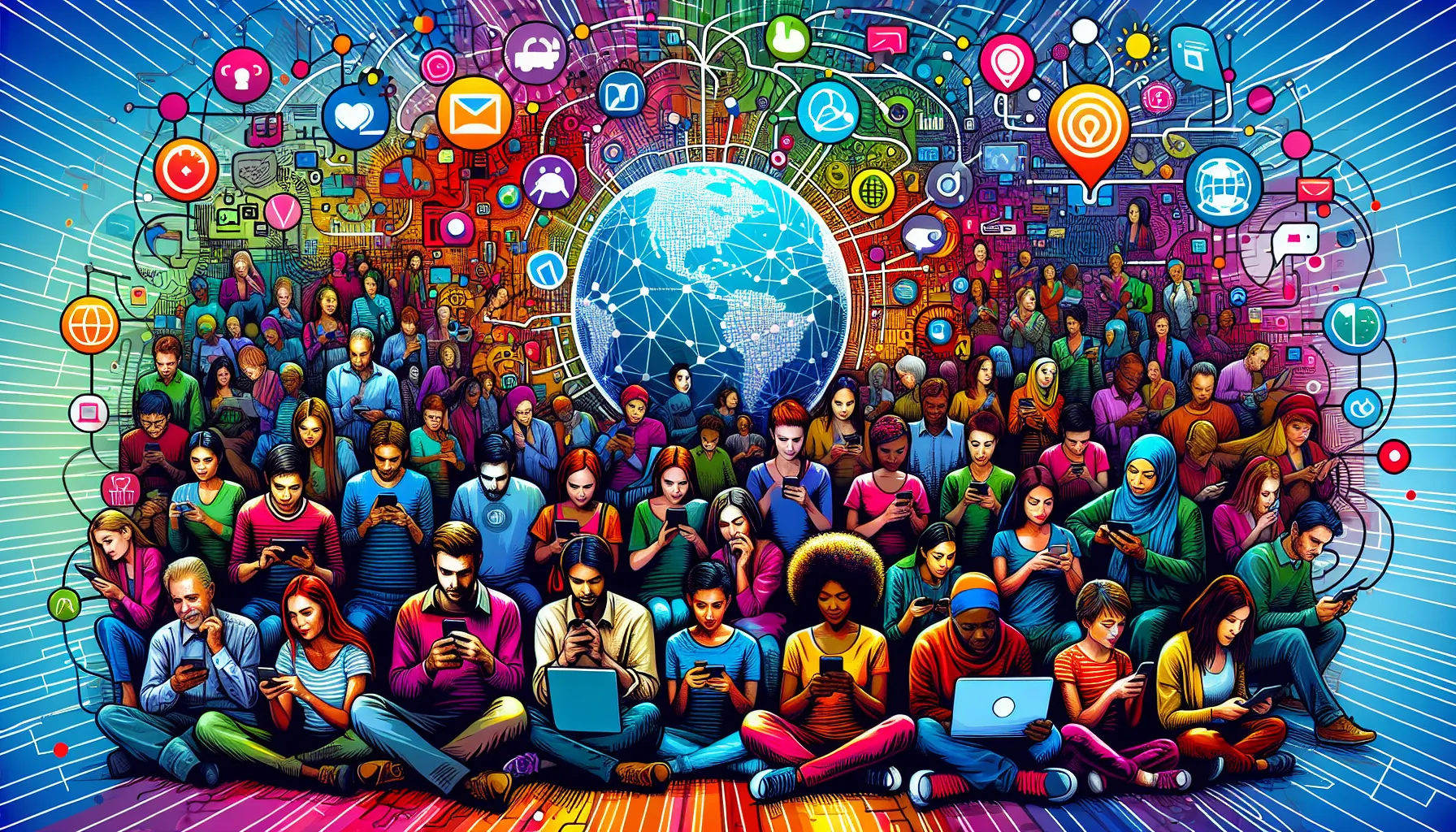
The transition from an industrial paradigm to an informational one is not merely a technological upgrade but a structural reconfiguration of social organization. Manuel Castells defines the network society as a system where the capacity to process information and communicate via electronic networks becomes the primary source of power and productivity. This shift fundamentally alters how societies generate wealth, organize political authority, and produce knowledge.
Unlike previous technological revolutions, the informational era is characterized by the flexibility of networks and the scalability of digital logic. The integration of microelectronics, fiber optics, and personal computing has created a global infrastructure that transcends traditional geographic boundaries. This infrastructure allows for a decentralized mode of operation that challenges the rigid hierarchies of the industrial age.
The emergence of this digital society necessitates a re-examination of all previous sociological models. The network is no longer a tool used by society; it is the very fabric upon which contemporary life, labor, and culture are constructed. This systemic change enables a new form of social agency where the flow of information dictates the viability of political and economic actors.
Manuel Castells, el sociólogo de la era de la información
Entrevista a Manuel Castells. Educación, globalización, tecnología y empresa red
El mundo según el sociólogo Manuel Castells
Informe semanal – Entrevista al sociólogo Manuel Castells – RTVE.es.flv
Urban Sociology and the Spatiality of Power
The Digital Overlay of Urban Infrastructure
Castells’ background in urban sociology provides a critical lens for understanding how digital networks intersect with physical urban environments. He posits that power is not only exercised through centralized institutions but also through the spatial organization of the city. The integration of digital communication layers into urban planning creates a hybrid space where the “space of flows” often overrides the “space of places.”
In the context of smart urban infrastructure, this theoretical framework suggests that the efficiency of a city is determined by its informational society capabilities. When urban planning incorporates decentralized data flows, it allows for more responsive governance and citizen-led modifications of the urban environment. This reduces the reliance on top-down bureaucratic control and empowers local agency.
Ecological Impact and Resource Coordination
The application of network logic to environmental technology allows for the optimization of resource distribution and waste reduction. By treating urban ecosystems as interconnected nodes, strategists can implement real-time monitoring and adaptive management systems. This technical approach transforms the city from a passive consumer of resources into an active, self-regulating organism.
From Informational Knowledge to Political Action
Networked Movements and Decentralized Agency
A pivotal aspect of Castells’ work is the analysis of “networked movements,” which combine digital presence with spontaneous physical mobilization. These movements are characterized by a lack of centralized leadership and a reliance on horizontal communication. They emerge from a collective indignation against injustice, utilizing the autonomy provided by the network to bypass traditional media gatekeepers.
The transition from knowledge to political action occurs when the digital space is used to coordinate real-world interventions. This process is not purely technocratic; it depends on the social and political conditions of the specific region. The network provides the infrastructure, but the catalyst for change remains the human drive for equity and transparency.
Wikidemocracy and the Future of Governance
The concept of wikidemocracy represents a radical shift toward direct citizen participation in legislative processes. By utilizing open-source software and collaborative platforms, this model proposes a system where citizens can propose, vote on, and annul laws directly. This minimizes state control and maximizes transparency through a decentralized digital architecture.
Such a model requires a high degree of digital literacy and a robust communication infrastructure to be viable. When implemented, it transforms the citizen from a passive voter into an active co-creator of public policy. This shift is essential for managing the complex, fast-evolving challenges of the 21st century, where traditional legislative cycles are often too slow to respond.
Technological Integration in Sustainable Development
The intersection of AgTech and the network society is evident in the move toward precision agriculture and decentralized food systems. By applying the informational paradigm to AgTech, we can transition from monolithic industrial farming to networked, data-driven ecosystems. This allows for the precise application of inputs, reducing ecological footprints while increasing caloric yield.
Furthermore, the integration of smart urban infrastructure with peri-urban agricultural networks creates a circular economy. The flow of organic waste from the city to the farm, coordinated via digital networks, optimizes nutrient cycles and reduces transport emissions. This systemic integration is the only viable path toward true urban sustainability.
Ultimately, the role of Manuel Castells is to provide the theoretical scaffolding necessary to navigate this complexity. By understanding the network society, technologists and strategists can design systems that are not only efficient but also democratically accountable and ecologically regenerative.
FAQ
What is the primary difference between an industrial society and a network society?
An industrial society is based on centralized production, rigid hierarchies, and physical proximity. In contrast, a network society is based on the flow of information, decentralized organization, and the ability to scale operations globally through digital infrastructure.
How does “wikidemocracy” differ from traditional representative democracy?
Traditional democracy relies on electing representatives to make decisions on behalf of the population. Wikidemocracy utilizes digital platforms to allow citizens to directly propose, debate, and vote on legislation, shifting power from a centralized political class to the general citizenry.
Why is the “space of flows” important in urban planning?
The space of flows refers to the digital and electronic networks that allow for the instantaneous movement of information and capital. In urban planning, recognizing this space is crucial because it influences how cities are developed, how wealth is distributed, and how power is exercised independently of physical geography.