Internet Governance Forums: Architecting Digital Citizenship and Sovereign Infrastructure
Internet governance operates as a complex socio-technical framework designed to manage the evolution of the global network through a multi-stakeholder model. This approach integrates private sector entities, academic researchers, technical communities, and civil society to ensure that the network remains open, interoperable, and inclusive. Rather than a centralized command structure, it functions as a deliberative platform for establishing norms and policies.
The Portuguese Initiative for the Internet Governance Forum (IPFGI) exemplifies this by aligning national dialogues with the United Nations’ global framework. By synthesizing diverse perspectives into a formal “Messages” document, the initiative transforms local discourse into actionable input for the annual global IGF. This mechanism ensures that regional technical requirements and social nuances are represented in the global architectural debate.
The transition of the internet from a restricted academic tool to a critical public utility necessitates a shift in how we perceive digital access. When the network is treated as a fundamental public good, the focus shifts from mere connectivity to the quality of governance and the mitigation of systemic risks. This evolution is essential for maintaining the stability of the digital ecosystem across different geopolitical strata.
QUAL A MELHOR PLATAFORMA PARA 2025? HOTMART, EDUZZ, MONETIZZE, KIWIFY OU HEROSPARK?
QUAL A MELHOR PLATAFORMA PARA VENDER CURSOS ONLINE? (VÍDEO ATUALIZADO!)
Qual a MELHOR Plataforma de Loja Virtual – Criar Ecommerce Grátis (2026)
Melhores plataformas de E-Commerce para iniciantes (MAIS BARATAS)
Decentralization and the Democratization of Digital Policy
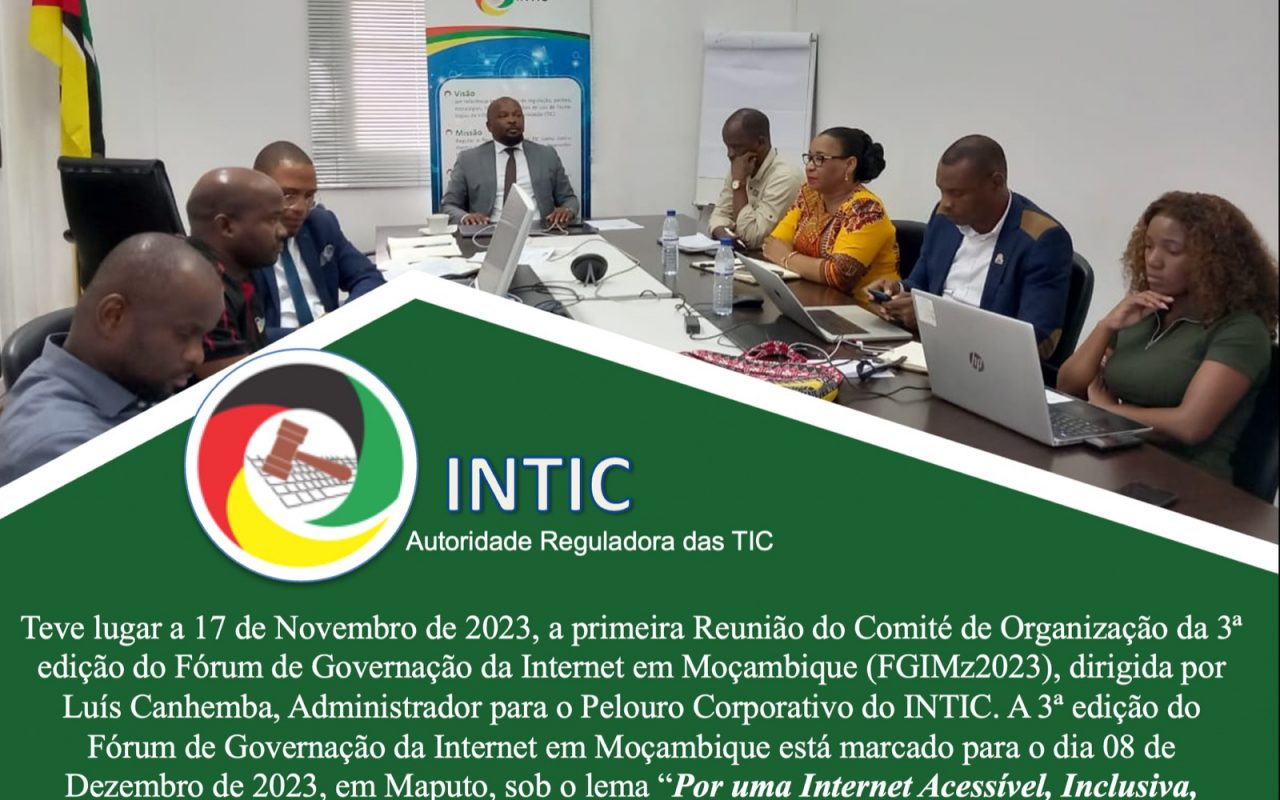
Effective governance requires a granular approach to implementation, as evidenced by the initiatives led by the National Institute of Information and Communication Technologies (INTIC) in Mozambique. By extending the Internet Governance Forum from the national level to provinces such as Maputo, Sofala, and Cabo Delgado, the state promotes the local appropriation of digital agendas. This decentralization prevents the concentration of technical power and ensures that rural and peripheral communities are not excluded from the digital transition.
These provincial forums focus on the creation of cybersecurity frameworks and legal structures that are grounded in democratic principles. By consulting the public on regulatory instruments, the government can align its digital strategy with the actual needs of its citizens. This process is critical for reducing the gap between high-level policy and the operational reality of local internet users.
Mitigating the Risks of Digital Fragmentation
The risk of digital fragmentation poses a significant threat to the global interoperability of the internet. As geopolitical tensions rise, the possibility of a “splinternet”—where different regions operate under incompatible technical or ideological standards—increases. Maintaining a unified, global network is not merely a technical preference but a requirement for global economic stability and scientific collaboration.
In the Portuguese context, the .pt domain serves as more than a technical address; it acts as a seal of trust and security. As the network expands to millions of registered addresses, the priority has shifted from simple registration to the maintenance of critical infrastructure. Ensuring the integrity of these domains is vital for the internationalization of small and medium enterprises within a secure digital environment.
Strategic Intersections: Governance, AgTech, and Urbanism
From the perspective of sustainable development, internet governance is the invisible layer that enables Smart Urban Infrastructure and AgTech. Without a stable, inclusive governance model, the deployment of IoT sensors for precision agriculture or smart grids for urban energy management becomes fragmented and inefficient. Digital deserts—areas with poor connectivity and governance—directly hinder the implementation of ecological monitoring systems.
Furthermore, the disparity in digital literacy creates a systemic vulnerability that transcends social classes. When populations lack the technical capacity to navigate the network securely, they become susceptible to fraud and misinformation, which undermines the social cohesion necessary for large-scale sustainable transitions. Therefore, governance must prioritize educational frameworks alongside technical infrastructure.
The integration of inclusive governance ensures that the transition to a digital economy does not exacerbate existing inequalities. By fostering a transparent environment where policies are debated openly, societies can implement technologies that optimize resource consumption and reduce environmental impact without compromising human rights or data sovereignty.
FAQ
What is the primary objective of the Internet Governance Forum (IGF)?
The IGF serves as a global multi-stakeholder platform for policy dialogue on public policy issues related to the Internet, aiming to ensure the network remains open, inclusive, and accessible to all.
How does the decentralization of forums in Mozambique benefit local communities?
Decentralization allows for the consultation of local populations in provinces like Maputo, Sofala, and Cabo Delgado, ensuring that national digital strategies and cybersecurity laws reflect the specific needs and realities of diverse regional contexts.
Why is the concept of “digital fragmentation” a concern for strategists?
Digital fragmentation threatens the global nature of the internet, potentially creating isolated networks with different rules and technical standards, which would disrupt global trade, communication, and the interoperability of critical technologies.
What role does the .pt domain play in the Portuguese digital economy?
The .pt domain acts as a critical infrastructure and a seal of trust, providing security and credibility for Portuguese entities and businesses as they expand their operations in the international digital marketplace.