Post-Harvest Loss Reduction in the African Fruit Supply Chain
Introduction: The Challenge of Post-Harvest Loss in Africa
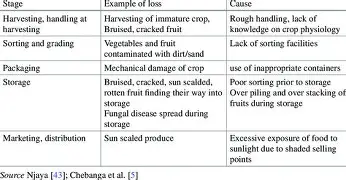
The agricultural sector plays a pivotal role in Africa’s economy, yet the continent faces a significant challenge in post-harvest loss. According to the Food and Agriculture Organization (FAO), up to 40% of fruits and vegetables are lost after harvest in Africa, primarily due to poor storage and transportation facilities.
Development: Market-Driven Solutions for Post-Harvest Loss Reduction
Recent efforts to address this issue focus on market-driven solutions that improve the infrastructure and technologies used in post-harvest management. By leveraging modern technology, smallholder farmers can gain access to better storage facilities, transportation services, and quality control measures.
- Storage Solutions: Investments in improved cooling and drying facilities help preserve perishable fruits and vegetables for extended periods, reducing spoilage and waste.
- Transportation Services: Enhancing the transportation infrastructure allows for faster and more efficient movement of goods from farms to markets, ensuring a higher percentage of produce reaches consumers in good condition.
- Quality Control Measures: Implementing quality control measures at various stages of the supply chain helps farmers identify and address issues before they become major problems, ultimately reducing post-harvest loss.
Conclusion: Empowering Smallholder Farmers and Boosting African Agriculture
By reducing post-harvest loss, smallholder farmers can increase their income, improve food security, and become more integrated into the global market. The solutions may be simple or complex to achieve, but they are attainable with the right investments and partnerships. Ultimately, the success of these efforts will depend on the private sector and market-driven initiatives.
As we move towards a population of 9 billion people by 2050, it is crucial that Africa realizes its full potential in agriculture. By addressing post-harvest loss through market-driven solutions, we can ensure food security, boost incomes, and contribute to sustainable development across the continent.