The Convergence of Digital Citizenship and Systemic Urban-Ecological Governance
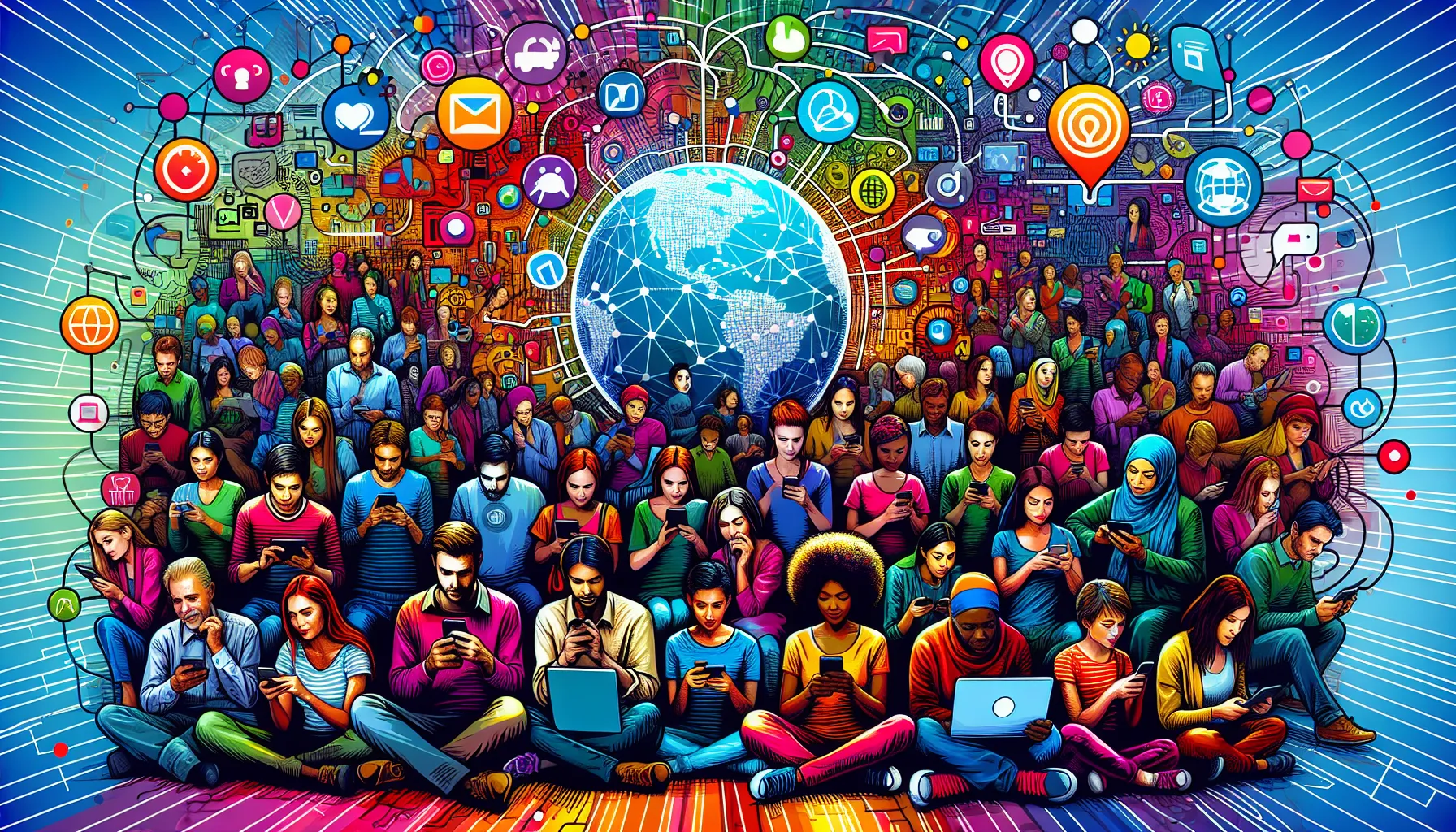
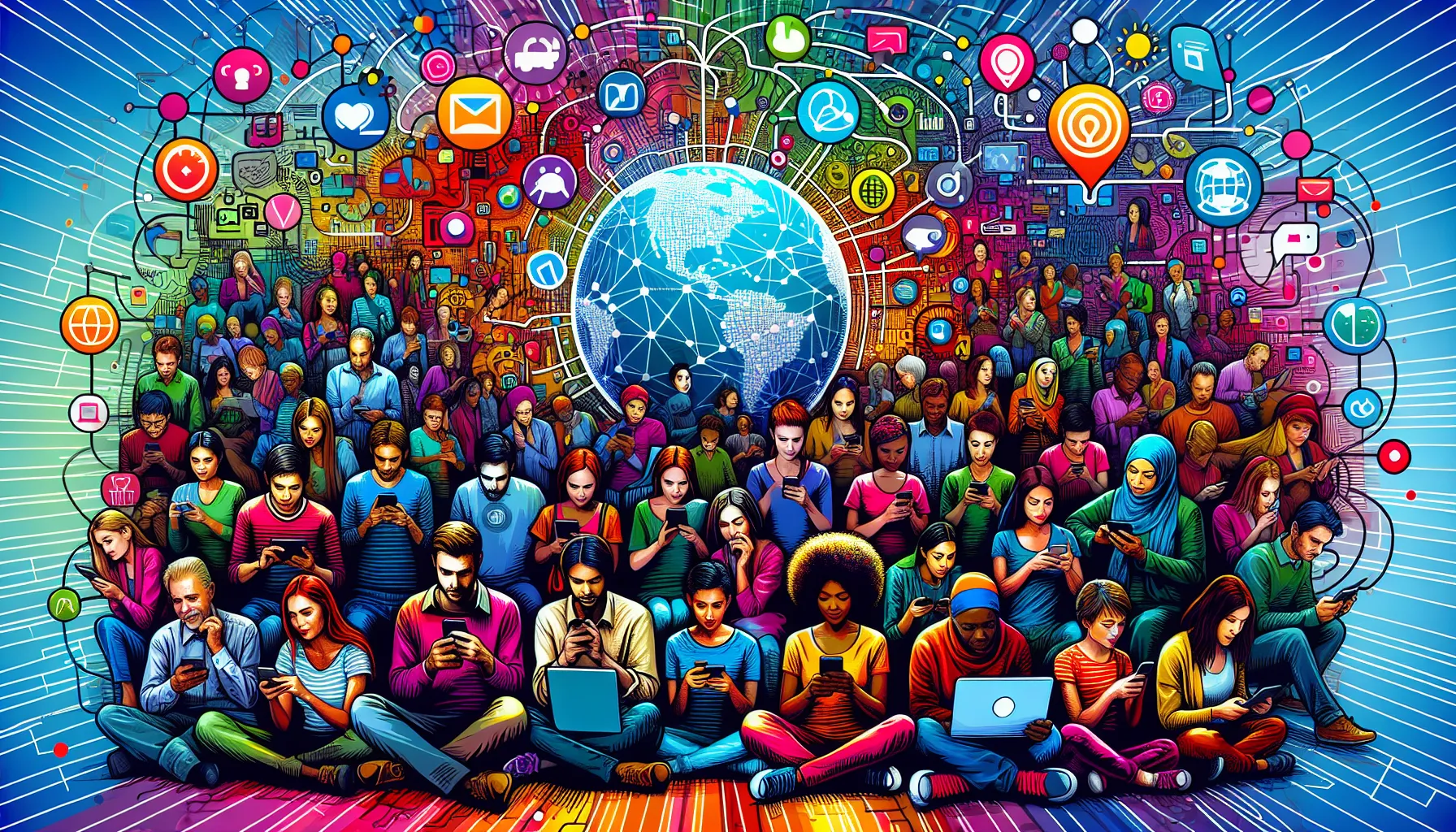
Digital citizenship constitutes the technical and ethical capacity to engage within a networked society through a framework of responsibility, security, and equity. It transcends mere connectivity, requiring a synthesis of cognitive skills and ethical standards to navigate virtual environments. This paradigm shifts the individual from a passive consumer to an active agent of systemic change.
The operationalization of this concept relies on the equilibrium between rights and duties, mirroring the traditional social contract but adapted for the digital layer. It necessitates a critical understanding of the tools used for communication, education, and governance. Consequently, the ability to discern information quality becomes a prerequisite for democratic stability.
From a strategic perspective, the integration of digital citizenship into urban planning ensures that smart infrastructure does not exacerbate existing social stratifications. By prioritizing equitable access to digital services, governments can foster a more resilient and inclusive urban ecosystem. This alignment is critical for the deployment of sustainable technologies.
Entenda… Cidadania Digital
O que é Cidadania Digital?
Cidadania Digital: Impacto das Redes Sociais na Sociedade
ECA Digital: Cidadania Digital para Responsáveis, Educadores e Estudantes
The Infrastructure of Digital Inclusion
The foundation of an active digital society is Digital Inclusion, which demands more than the mere presence of hardware. It requires the deployment of equitable infrastructure, adapted devices, and accessible content to ensure that all demographic strata can interface with digital governance. Without this baseline, the digital divide becomes a structural barrier to sustainable development.
In the context of Smart Urban Infrastructure, this inclusion allows citizens to interact with real-time data streams regarding energy consumption and waste management. When citizens possess the tools to access these services, they can participate in the optimization of urban resource flows. This transforms the city into a collaborative laboratory for ecological efficiency.
Furthermore, the promotion of digital access must be coupled with continuous capacity building. Technical training ensures that the transition to a digital society does not leave behind those lacking traditional technological fluency. This systemic approach prevents the creation of a new “technological underclass” within the urban environment.
Algorithmic Ethics and Data Sovereignty
As society migrates toward Algorithmic Governance, the intersection of ethics and technology becomes a critical friction point. Digital citizenship requires a profound understanding of how data is harvested, processed, and utilized by both state and private actors. This awareness is essential for maintaining individual autonomy in an era of pervasive automation.
The protection of privacy and the enforcement of Data Sovereignty are not merely legal requirements but pillars of a healthy digital society. Citizens must be empowered to control their digital footprints and understand the implications of data sharing. This is particularly vital when integrating AI into public services and environmental monitoring systems.
Ethical communication and the combatting of disinformation are equally critical to prevent the degradation of the social fabric. The ability to critically analyze sources and recognize biases prevents the proliferation of “fake news” that can destabilize public policy. A digitally literate population acts as a human firewall against systemic misinformation.
Active Citizenship in the AgTech and Urban Nexus
The application of Digital Literacy extends beyond social media into the realm of technical production, such as AgTech. In sustainable agriculture, active citizenship manifests as the ability of producers to utilize precision farming tools and open-source ecological data. This empowers local farmers to optimize yields while minimizing chemical runoff and soil degradation.
In urban centers, active citizenship is reflected in the use of digital platforms to monitor environmental impacts and hold governing bodies accountable. By utilizing digital tools for civic engagement, citizens can influence urban planning decisions in real-time. This creates a feedback loop that enhances the sustainability of the built environment.
The synergy between technology and citizenship allows for the emergence of “prosumers” who both consume and produce digital value for the community. Whether through crowdsourcing urban traffic data or collaborating on open-source environmental projects, the active citizen leverages technology to solve collective problems. This collaborative model is the engine of modern sustainable development.
The Dynamic Evolution of Digital Rights
Digital citizenship is not a static state but a dynamic process that evolves alongside technological breakthroughs. The rights and duties of the digital citizen must be constantly renegotiated to address emerging challenges such as Network Neutrality and the ethics of generative AI. This fluidity requires a legal framework that is as agile as the technology it regulates.
The transition from traditional citizenship to digital citizenship involves a shift in how we perceive the “public square.” The virtual environment is now a primary site for political discourse and social organization, necessitating new norms of conduct. These norms must balance the freedom of expression with the responsibility to prevent cyberbullying and hate speech.
Ultimately, the goal of a digital society is to achieve a state of Technological Agency, where individuals are not merely users of systems but architects of their own digital destiny. By fostering a culture of critical thinking and ethical engagement, society can ensure that technology serves humanity rather than the other way around.
FAQ
What is the primary difference between digital access and digital citizenship?
Digital access refers to the technical ability to connect to the internet and use devices, whereas digital citizenship is the set of ethical, critical, and responsible competencies required to participate effectively and safely within that connected environment.
How does digital citizenship impact sustainable urban development?
It enables citizens to engage with smart city infrastructure, utilize real-time environmental data, and participate in democratic governance, which leads to more efficient resource management and inclusive urban planning.
Why is the concept of digital citizenship considered “dynamic”?
Because it evolves in tandem with technology; as new tools like AI and blockchain emerge, new rights, duties, and ethical dilemmas arise, requiring the continuous update of the digital social contract.
What role does the government play in promoting digital citizenship?
Governments are responsible for providing the necessary infrastructure for inclusion, creating legal frameworks for data protection, and implementing educational programs that foster digital literacy and ethical behavior.