The Convergence of ICTs, Gender Equality, and the Architecture of Internet Governance
Internet governance functions as the systemic framework managing the technical, legal, and social layers of global connectivity. This architecture is not neutral; it is a reflection of the power dynamics and socio-political priorities of the stakeholders who design its protocols and policies. The tension between open, inclusive access and restrictive governance models determines the trajectory of digital equity.
The multistakeholder approach, championed by the Internet Governance Forum (IGF), seeks to decentralize authority by integrating governments, the private sector, and civil society. This model is operationalized through National, Regional, and Youth IGF Initiatives (NRIs), which serve as grassroots conduits to ensure local priorities inform international digital policy work. These initiatives bridge the gap between high-level diplomatic discourse and the practical realities of regional connectivity.
Effective governance requires a synthesis of technical expertise and social representation to prevent the crystallization of digital divides. When governance is restricted to a narrow demographic, the resulting policies often overlook the specific needs of marginalized populations. This lack of representation manifests as systemic barriers in access, security, and the deployment of critical digital infrastructure.
Rewriting a Gender-Equal Future: Data, Tech and the 2030 Deadline – SDG Media Zone | United Nations
What impact will AI have on gender equality? | Global Stage | GZERO Media
DigitALL: Innovation and technology for gender equality | #IWD2023
Gender Inequality in Education | Martina Magrini | TEDxICS Zurich Youth
The DEI Paradox: Political Friction vs. Systemic Necessity
Diversity, Equity, and Inclusion (DEI) initiatives are currently the center of a profound ideological conflict, particularly within the United States. While these programs were designed as a remedy to systemic bigotry in academia and corporate structures, they have recently become flashpoints in cultural wars. Recent executive actions have sought to dismantle DEI frameworks in federal hiring and environmental justice programs.
Critics of DEI argue that such measures compromise meritocracy or introduce discriminatory biases against historically dominant groups. This political backlash extends to the corporate sector, where some organizations have backpedaled on racial equity training and supplier diversity evaluations. This friction creates a volatile environment for the implementation of inclusive technology policies.
From a strategic perspective, the erosion of DEI frameworks poses a risk to technical innovation. The absence of diverse perspectives in the design phase of ICTs often leads to algorithmic biases and exclusionary user experiences. In the context of smart urban infrastructure, a lack of diversity in planning can result in “digital deserts” where essential services are unavailable to specific socio-economic strata.
Gender Equality and the 2030 Digital Deadline
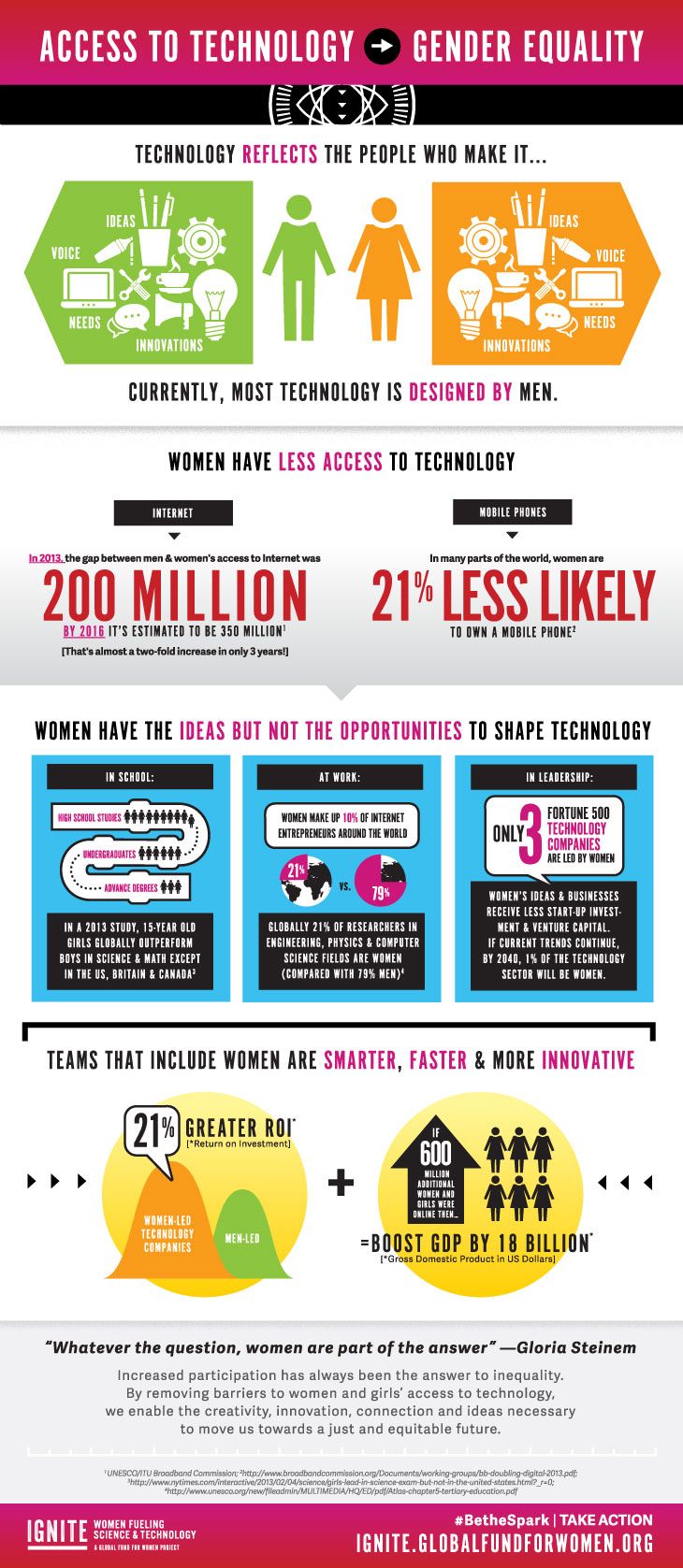
The United Nations’ Gender Snapshot Report highlights a complex narrative of progress and stagnation regarding women’s rights in the digital space. While educational attainment for girls has improved, a significant gap persists in the technical leadership and governance of ICTs. Achieving the Sustainable Development Goals (SDGs) by 2030 requires an accelerated integration of women into the digital economy.
Gender equality in technology is not merely a social imperative but a technical requirement for robust system design. Women’s underrepresentation in the development of AgTech and urban planning tools leads to products that fail to account for the specific labor patterns and social dynamics of female users. This gap results in suboptimal efficiency and missed opportunities for ecological optimization.
To rewrite a gender-equal future, governance must move beyond symbolic representation toward structural empowerment. This involves creating targeted capacity-building programs and ensuring that women have a decisive voice in the multistakeholder approach. Without this, the digital divide will continue to mirror and amplify existing societal inequalities.
Technical Implications for Future Governance
The future of internet governance will be defined by the struggle between fragmented “splinternets” and a unified, inclusive global network. If DEI and gender equality are purged from the governance equation, the resulting infrastructure will likely be fragmented along ideological and demographic lines. This fragmentation hinders the global deployment of sustainable technologies and cross-border data collaboration.
Integrating diversity into the technical layer of governance ensures that the internet remains a tool for universal empowerment rather than a mechanism for surveillance or exclusion. The intersection of AgTech, smart cities, and ICTs requires a governance model that is as diverse as the ecosystems it intends to manage. Only through a profound commitment to inclusion can we build resilient, sustainable, and equitable digital infrastructures.
FAQ
What is the role of NRIs in internet governance?
National, Regional, and Youth IGF Initiatives (NRIs) act as grassroots entry points that adapt global internet governance discussions to local contexts, ensuring that regional priorities influence international policy.
How does the “multistakeholder approach” differ from traditional governance?
Unlike traditional top-down government regulation, the multistakeholder approach involves a collaborative process between governments, the private sector, academia, and civil society to co-create policies.
Why is DEI considered critical for technical innovation?
DEI ensures a variety of perspectives during the design and implementation phases, which mitigates the risk of algorithmic bias and ensures that technology serves a broader, more diverse user base.
What is the significance of the 2030 deadline mentioned by the UN?
The 2030 deadline refers to the target date for achieving the Sustainable Development Goals (SDGs), including gender equality and reduced inequalities in digital access and technology.