The Convergence of Geopolitical Dynamics, Technological Integration, and Housing Policy
Globalization has fundamentally restructured the mechanisms of political decision-making, shifting the locus of power from isolated national mandates to complex networks of international alliances. This systemic shift influences how states allocate resources for critical infrastructure and social welfare. The resulting economic connectivity often creates a tension between global capital flows and the localized demand for accessible shelter.
Housing affordability is traditionally quantified by the threshold where costs do not exceed 30% of a household’s gross income. While this metric is utilized across the United States, Canada, and the United Kingdom, the actual implementation varies based on regional fiscal frameworks. The gap between market-driven real estate valuation and this affordability ceiling highlights a systemic failure in urban resource distribution.
To mitigate this, governments employ diverse strategies ranging from the Low-Income Housing Tax Credit in the US to the comprehensive public housing models seen in Singapore. These policies are not merely administrative tools but are reflections of a state’s political philosophy regarding the right to housing. The efficacy of these interventions is increasingly tied to the state’s ability to navigate global economic pressures.
The urgency of intersectionality | Kimberlé Crenshaw | TED
Trump Cabinet meetings are ‘like North Korea’ | Will the DNC get it’s s*** together for midterms?
Kimberlé Crenshaw: Intersectionality and Gender Equality
Shaping Public Opinion: Crash Course Government and Politics #34
The Technological Imperative in Urban Infrastructure
Transit-Oriented Design and Ecological Impact
Modern urban planning is pivoting toward transit-oriented design to reduce the ecological footprint of expanding metropolitan areas. By integrating high-density housing with efficient public transport, cities can minimize carbon emissions and optimize land use. This approach requires a synergy between smart infrastructure and sustainable zoning laws.
The integration of AgTech within urban cores—such as vertical farming and hydroponic systems—further enhances the resilience of these mixed-income communities. Reducing the distance between food production and consumption mitigates the logistical strains of globalization. This creates a closed-loop system that supports both ecological stability and food security for low-income residents.
Political Globalization and the Evolution of Housing Governance
From National Sovereignty to Global Governance
The post-Cold War era accelerated the transition toward a world where economic interdependence limits the autonomy of individual governments. This shift is evident in the rise of supranational entities and the adoption of standardized economic policies, a process known as global governance. Consequently, housing policies are often influenced by global investment trends rather than local social needs.
This environment fosters socio-spatial stratification, where urban centers become hubs for global capital, pushing affordable housing to the periphery. The resulting displacement necessitates a move toward inclusionary zoning to ensure that diverse income levels can coexist within the same urban fabric. Without such mandates, the city becomes a segregated landscape of wealth and poverty.
Social Engineering and the Framework of Equity
Implementing Social Mix Version 2.0
Current discourse in urban regeneration emphasizes the transition toward a social mix version 2.0, moving beyond simple demographic blending. This evolved approach focuses on the intentionality of social integration and the creation of shared spaces that foster genuine community interaction. Learning from the Global East and South, particularly Singapore and South Korea, provides a blueprint for state-led social cohesion.
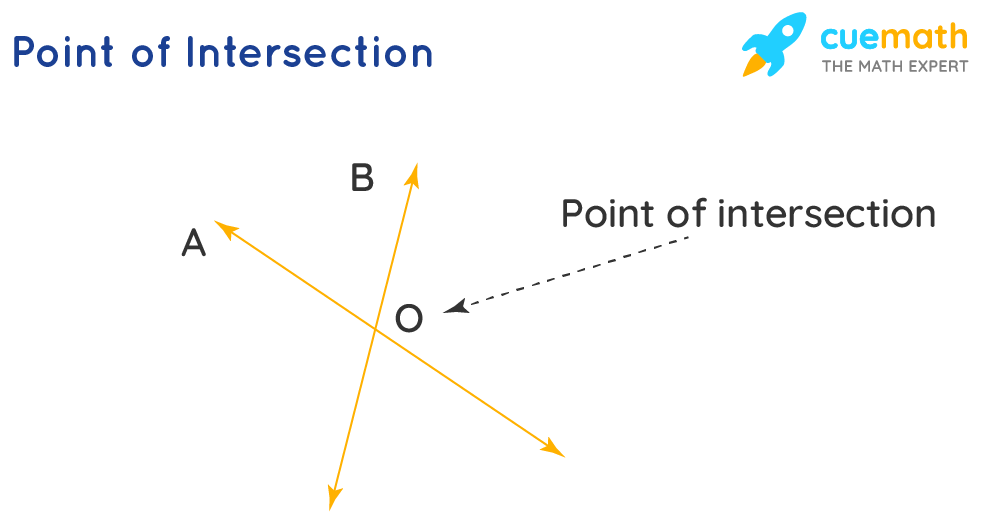
However, technical solutions alone are insufficient without an understanding of intersectionality. As demonstrated by the disparate experiences of marginalization across different demographics, housing vulnerability is not uniform. Policies must account for how gender, race, and socioeconomic status overlap to create unique barriers to housing security.
A truly sustainable housing policy must therefore synthesize technological efficiency with a profound commitment to social equity. The intersection of smart infrastructure and inclusive policy can dismantle the systemic barriers created by uncontrolled globalization. This requires a political will that prioritizes human stability over speculative real estate growth.
FAQ
How is affordable housing technically defined globally?
Affordable housing is generally classified as housing that costs no more than 30% of a household’s gross income, a standard utilized by authorities such as the U.S. Department of Housing and Urban Development.
What is the role of transit-oriented design in sustainable housing?
Transit-oriented design focuses on creating high-density, mixed-income communities centered around public transport hubs to reduce car dependency and lower the overall carbon footprint of urban living.
How does globalization impact local housing policies?
Globalization increases the flow of international capital into real estate, which can drive up property values and force governments to implement more aggressive affordability policies to prevent mass displacement.