The Power Dynamics Behind Global Internet Governance Policies – A Closer Look
The internet operates as a distributed network of networks, yet its core administrative functions remain concentrated. This structural paradox creates a vulnerability where technical stability is tethered to the geopolitical interests of a few dominant actors. For those deploying high-precision AgTech and smart urban grids, this centralization poses a systemic risk to data sovereignty.
Historically, the United States has maintained a primary role in managing the web’s infrastructure through entities like the Internet Corporation for Assigned Names and Numbers (ICANN). This US-centric model ensured rapid growth but lacked a global democratic mandate. The concentration of power allows for unilateral influence over the routing and naming systems that underpin global connectivity.
Recent revelations regarding large-scale surveillance by the National Security Agency (NSA) have eroded trust in this centralized architecture. This breach of trust has catalyzed a shift toward a more internationalized governance framework. The objective is to decouple technical administration from the national security agendas of a single superpower.
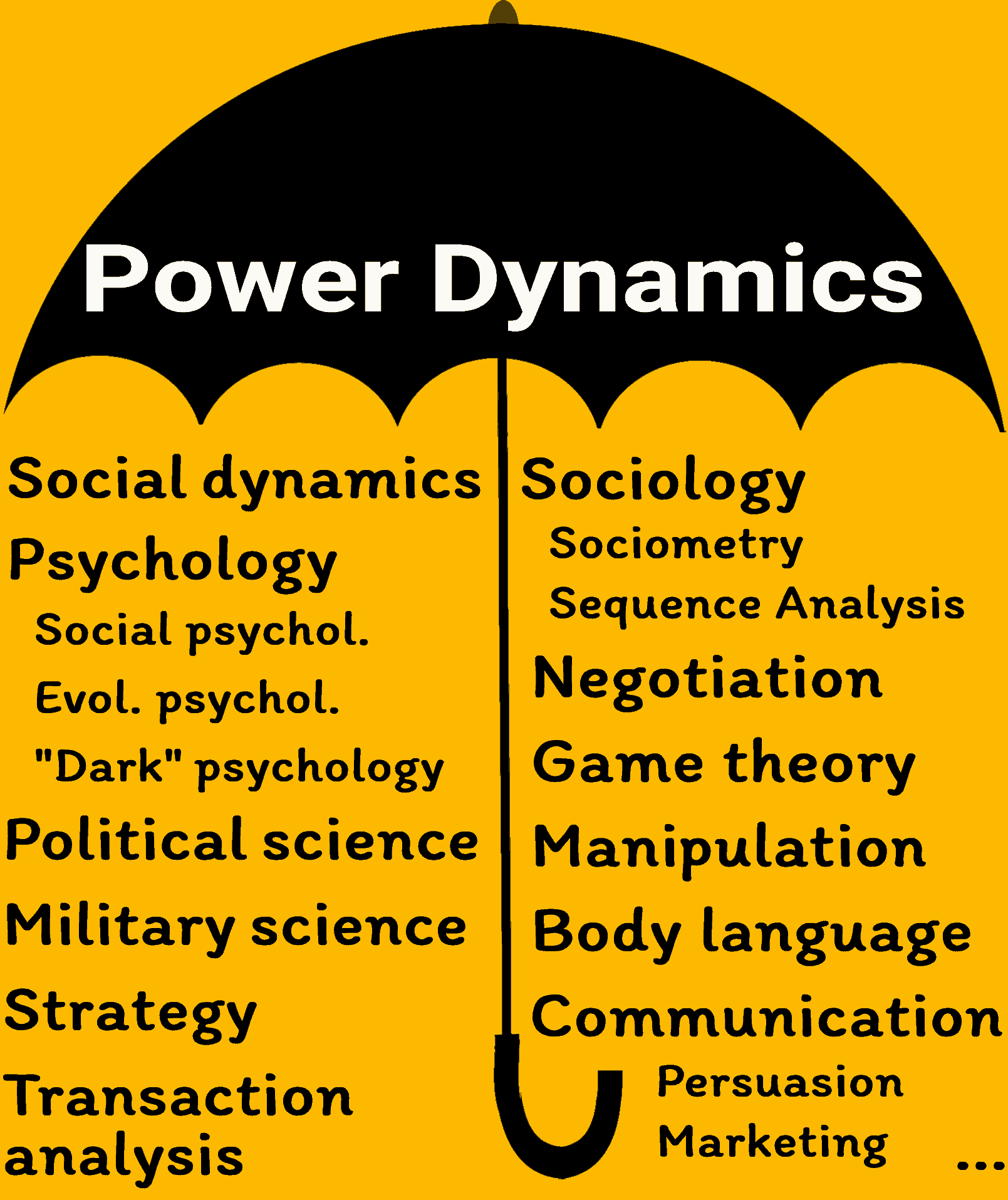
How the Power dynamics works by Psychologist Dr.Mayurika
Understanding Power Dynamics in Organizations (18 Minutes)
How are you navigating power dynamics at work?
Understanding Power Dynamics in Collaboration 🤝
The European Strategic Pivot and the Multi-Stakeholder Model
The European Commission has proposed a transition toward a global model of governance to ensure the internet remains an open, interoperable resource. This approach emphasizes a multi-stakeholder model, integrating input from technical communities, academic circles, and civil society. By diversifying the decision-making process, the EU aims to mitigate the risks of jurisdictional conflicts.
Central to this strategy is the alignment of internet governance with fundamental rights and democratic values. This involves reforming data protection frameworks and implementing directives on network and information security. Such a shift is essential for the deployment of critical urban infrastructure that relies on secure, transparent data flows.
Technical Norms and the Geopolitics of Fragmentation
The Interplay of Policy and Protocol
There is a profound interplay between technical norms and political policy that often goes unnoticed. When technical standards are dictated by a dominant power, they can be weaponized to create barriers or facilitate surveillance. This tension necessitates a coherent set of global principles to prevent the fragmentation of the web.
From a strategic perspective, power dynamics often operate through the lens of fragmentation. By focusing on specific subsets of stakeholders, dominant entities can maintain control while appearing to be inclusive. This psychological and political maneuvering is evident in the struggle to redefine who “owns” the internet’s core functions.
Implications for Sustainable Infrastructure
For the implementation of Smart Urban Infrastructure, the stability of the Domain Name System (DNS) is non-negotiable. Any geopolitical instability in governance could lead to “splinternets,” where regional barriers impede the flow of critical environmental data. This would severely hinder the scalability of global AgTech solutions.
Ecological impact monitoring requires a seamless, global exchange of telemetry data. If governance policies shift toward isolationism, the ability to coordinate climate responses through interoperable technical systems will be compromised. Therefore, globalized governance is not just a political goal but a technical necessity for planetary sustainability.
Rebuilding Trust through Transparent Governance
Rebuilding trust requires a transition from a model of “trust us” to a model of “verify us.” This involves the adoption of transparent, distributed governance mechanisms that remove single points of failure. Such a transition ensures that the internet remains a global public good rather than a tool for statecraft.
The path forward involves a rigorous consultation process between industry, government, and the citizenry. Only through a transparent redistribution of power can the internet support the complex requirements of future sustainable development. This ensures that the digital layer of our physical world remains resilient and neutral.
FAQ
What is the role of ICANN in internet governance?
ICANN is responsible for the coordination of the internet’s unique identifiers, including the management of the DNS and IP address allocation, ensuring that websites are accessible globally.
Why is the EU pushing for a multi-stakeholder model?
The EU seeks to reduce US-centric influence and ensure that internet governance is based on democratic values and a diverse range of global interests rather than a single nation’s policy.
How does internet governance affect sustainable technology?
Stable, global governance prevents network fragmentation, ensuring that AgTech and smart city sensors can communicate across borders without geopolitical interference or technical barriers.