Digital Society, Public Policies, and Sustainable Development
The convergence of digital society and Sustainable Development necessitates a systemic reconfiguration of how resources are managed and distributed. This synergy is rooted in the principle of meeting current generational needs without compromising the viability of future resources. Such a framework requires a transition toward a Green Economy, where productive processes are fundamentally aligned with socio-environmental preservation.
Public policies serve as the primary mechanism for operationalizing this transition by directing strategic investments into critical infrastructure. The efficacy of these policies depends on a rigorous application of Fiscal Responsibility and the optimization of resource allocation. By aligning budgetary planning with sustainability goals, governments can catalyze economic growth that is both equitable and ecologically sound.
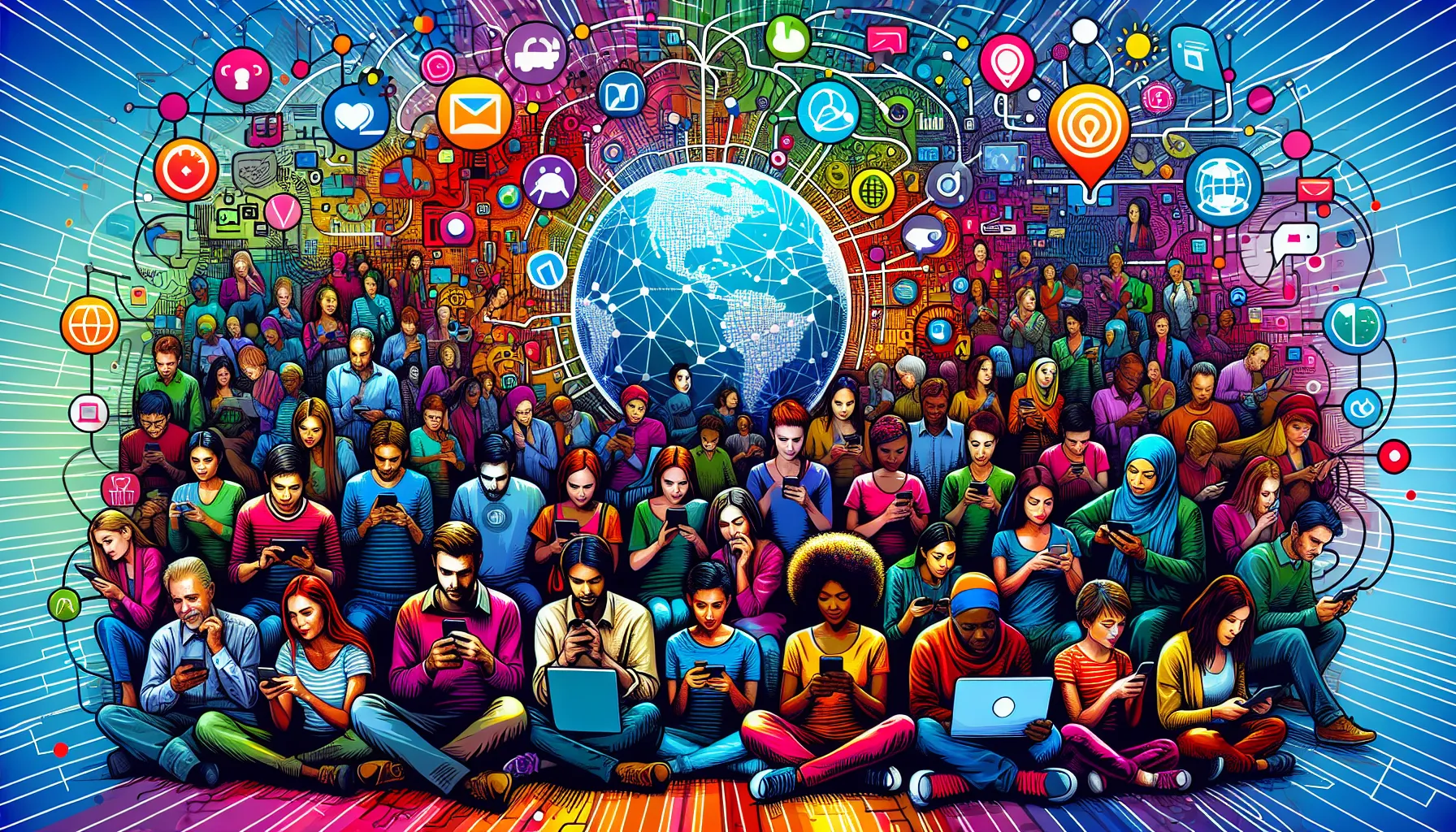
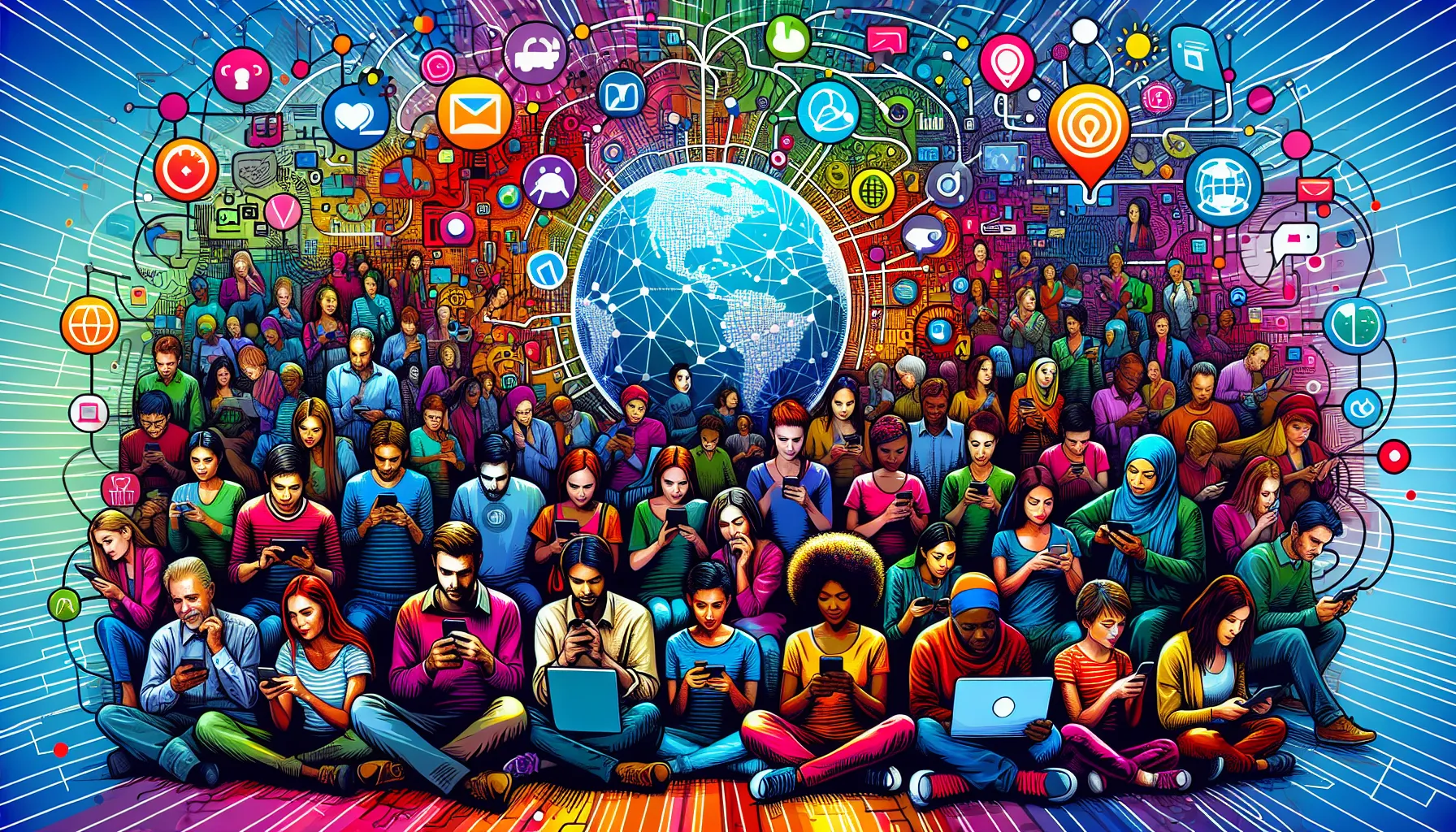
The integration of new technologies into the public sphere transforms the traditional administrative model into a dynamic system of governance. This evolution allows for the implementation of Public Policies that are not only reactive but predictive, utilizing data to mitigate environmental degradation. The intersection of digital innovation and governance is essential for eradicating poverty while fostering ecological resilience.
Governo Digital no Brasil: Entre a Modernização, a Exclusão Digital e Questões de Governança
Renan Santos debate: política é investimento, integridade ou conveniência na era digital?
TECNOLOGIA É HISTÓRIA: Inclusão digital no Sul Global: acesso não é suficiente para a democracia?
Quais caminhos para uma governança digital eficiente? | SOCIEDADE DIGITAL
Technological Convergence in AgTech and Urban Infrastructure
Precision Agriculture and Resource Optimization
The application of new technologies in agriculture is critical because natural resources are finite. By implementing precision AgTech, the productive sector can reduce waste and minimize the ecological footprint of food production. This shift ensures that the agricultural economy contributes to a sustainable model that does not exhaust the soil or water tables for future generations.
Smart Urbanism and Digital Governance
Urban infrastructure must evolve through strategic state interventions that prioritize sustainability and efficiency. Digital society enables the creation of smart cities where resource allocation is optimized through real-time data analysis. This approach transforms urban centers into hubs of the green economy, reducing carbon emissions and improving the quality of life for all citizens.
The Nexus of Human Rights and Social Technologies
Inclusive Green Economy and Social Equity
A truly sustainable model must incorporate an Inclusive Green Economy, ensuring that the transition to sustainability does not marginalize vulnerable populations. This involves creating programs that support waste recycling sectors and environmental recovery initiatives. By integrating social factors into economic decisions, the state can promote a development model that is both green and just.
Social Technologies and Fundamental Rights
The deployment of Social Technologies is essential for bridging the gap between technological innovation and human rights. These technologies focus on etnodevelopment and the protection of fundamental rights within the digital era. When innovation is coupled with social control and participation, it becomes a tool for empowerment rather than a mechanism of exclusion.
Strategic Implementation and Fiscal Oversight
The Role of Technical Expertise in Governance
The transition to a digital and sustainable society requires professionals capable of merging technical accounting expertise with strategic public management. Analytical rigor in budget execution ensures that funds are directed toward high-impact areas such as health, education, and green infrastructure. This technical alignment prevents the misappropriation of resources and ensures long-term project viability.
Overcoming Implementation Barriers
The primary challenge in implementing sustainable public policies lies in the gap between theoretical planning and practical execution. Overcoming this requires a commitment to transparency and the continuous evaluation of progress against established sustainability benchmarks. Only through a disciplined approach to governance can the goals of the Rio+20 conference be fully realized in a digital context.
FAQ
What is the relationship between a Green Economy and Sustainable Development?
Sustainable development is the overarching goal of meeting current needs without compromising future generations, while the Green Economy provides the productive and economic framework to achieve this by integrating socio-environmental factors into economic decision-making.
How do public policies influence economic and sustainable growth?
Public policies act as tools to direct investments toward strategic areas like infrastructure and education, using fiscal responsibility and efficient resource allocation to create a virtuous cycle of equitable and sustainable economic growth.
What is the role of social technologies in sustainable development?
Social technologies focus on innovation that respects human rights and promotes etnodevelopment, ensuring that technological progress is inclusive and contributes to the social dimension of sustainable development.