The Digital Society According to Gabriel Rebouças: A Technical Synthesis of Systemic Transition
The digital society represents a fundamental structural change, transitioning from an industrial paradigm to a network-centric organization where the creation and distribution of information are the primary economic activities. This evolution is driven by information and communication technologies (ICT), which redefine social organization across education, health, and government. It is not merely a technological upgrade but a shift toward a post-industrial society.
This transition is characterized by the emergence of a knowledge society, where the ability to manipulate and integrate information becomes the core driver of value creation. The shift involves a redistribution of power, moving away from centralized control toward citizen and consumer sovereignty. This systemic change alters how individuals interact with digital spaces and economic systems.
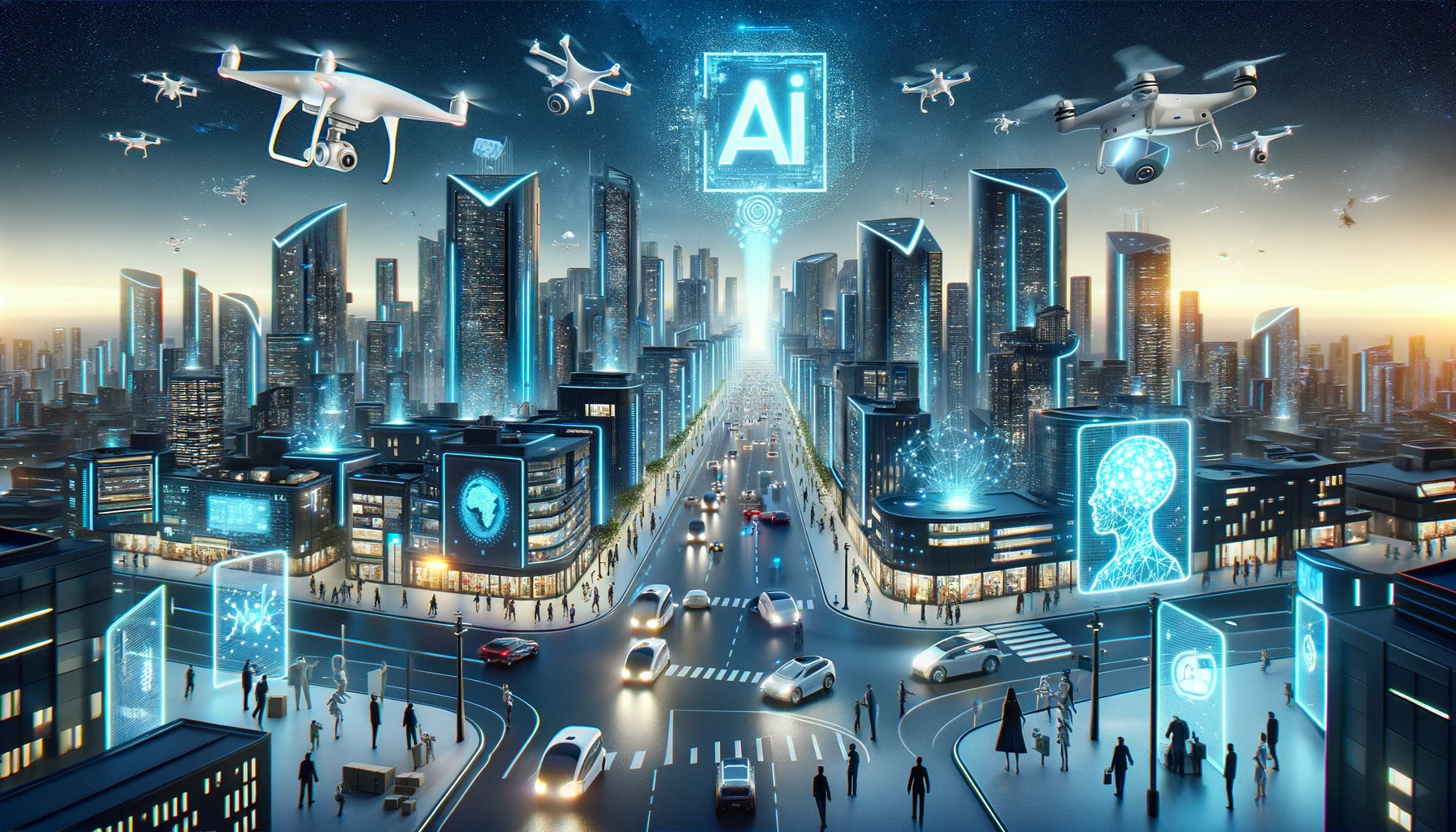
To quantify this progression, frameworks like the Digital Economy and Society Index (DESI) monitor dimensions such as digital connectivity, advanced competencies, and the digitalization of public services. These metrics are critical for identifying investment priorities and ensuring that the digital infrastructure can support complex societal needs. Such monitoring is essential for the deployment of smart urban systems.
Digital Society (explained)
The Digital Society: Reimagining Social Dynamics with Artificial Intelligence
Grassroots: shaping the digital realm and through it – the world | LSE Event
Social Media and Society
Infrastructure and the Technical Backbone of Digitalization
The viability of a digital society depends on the robustness of its digital infrastructure, specifically the deployment of broadband and edge nodes. These components enable the low-latency data transmission required for real-time monitoring in AgTech and smart urban planning. Without this physical layer, the integration of advanced technologies remains fragmented.
Digital intensity within businesses further accelerates this transition by adopting e-commerce and advanced digital tools. This digitalization of the corporate sector breaks traditional value creation patterns, necessitating new interaction competencies. The result is a more agile economy capable of rapid adaptation to ecological and market pressures.
The Role of Digital Public Services
The digitalization of public administration transforms the relationship between the state and the citizen through digital public services. By migrating government functions to digital platforms, states can increase transparency and operational efficiency. This institutionalization is evident in the creation of dedicated ministries to oversee the digital economy and society.
Open government initiatives allow for the release of public data, which in turn fosters the creation of new business models and applications. When government agencies receive external feedback via digital channels, collaborative and participatory models evolve. This process makes democracy more active and transparent.
Open Innovation and Ecological Synergy
The concept of open innovation is pivotal for sustainable development, as it incorporates external ideas to expand the potential for new combinations of technology. In the context of AgTech, this means moving beyond closed proprietary systems to collaborative frameworks that enhance food security. This approach requires a modernization of strategies to manage the risks associated with open collaboration.
Furthermore, open access policies in scientific information ensure that knowledge is disseminated efficiently and economically. This democratization of data accelerates the development of environmental technologies by removing paywalls to critical research. It enhances the overall innovation potential of the global economy.
Impact on Urban Planning and AgTech
The intersection of an information society and urban planning manifests in the ability to integrate vast datasets for ecological impact mitigation. Smart infrastructure utilizes these digital flows to optimize resource allocation and reduce urban waste. This technical integration is the only way to sustain growing populations within planetary boundaries.
In sustainable agriculture, the digital society enables the transition to precision farming through the use of network technologies. By leveraging real-time data, producers can minimize chemical inputs and optimize water usage. This shift from intuitive to data-driven farming is a direct result of the digital structural change.
FAQ
What is the primary driver of the transition to a digital society?
The primary drivers are information and communication technologies (ICT), which facilitate the rapid growth, distribution, and integration of information across all sectors of social organization.
How does the DESI framework measure digital progress?
The DESI monitors four revised dimensions: digital skills, digital infrastructure (including edge nodes and broadband), the digitalization of businesses, and the digitalization of public services.
What is the difference between an industrial society and an information society?
While an industrial society is based on the production of physical goods, an information society is defined by the usage, creation, and manipulation of information as its most significant activity.
How does open innovation contribute to sustainable development?
Open innovation allows for the integration of external ideas and collaborative research, which accelerates the creation of new, efficient technologies for AgTech and urban infrastructure.