Governing the Internet: Public Policies and Private Interests
Internet governance is the systemic application of shared principles, norms, and decision-making procedures that dictate the evolution of the global network. Unlike electronic governance, which focuses on the delivery of government services, this framework orchestrates the structural and policy-driven evolution of the internet. This decentralized model ensures that no single entity maintains absolute hegemony over the global flow of data.
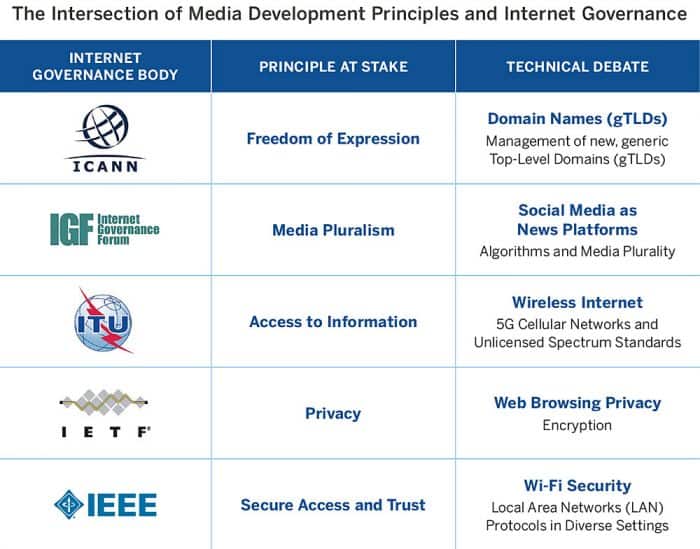
The technical foundation of this system rests upon the Transmission Control Protocol/Internet Protocol (TCP/IP), which evolved from the ARPANET project to enable interoperability between autonomous networks. This architecture is maintained by a multistakeholder model involving the private sector, civil society, and technical bodies like the Internet Engineering Task Force (IETF). The primary objective is to preserve a globally coherent and unfragmented space.
From a sustainable development perspective, the stability of this network is critical for the deployment of high-precision AgTech and smart urban sensors. The ability to scale these technologies depends on a stable, open system architecture that avoids arbitrary fragmentation. Without a unified namespace, the interoperability of ecological monitoring systems would collapse.
Introduction to the public policy process | US government and civics | Khan Academy
Lecture 01: Why Study Public Finance?
8. Public Policy
19. Making Public Policy
The Tension Between Technical Coordination and Political Sovereignty
The DNS Root Zone and the Shift in Control
The management of the Domain Name System (DNS) root zone historically represented a flashpoint between private coordination and state authority. For years, the National Telecommunications and Information Administration (NTIA) of the U.S. Department of Commerce held a level of supervision that many viewed as a unilateral control mechanism. This tension culminated in 2014, when administrative duties transitioned from the NTIA to the Internet Assigned Numbers Authority (IANA).
Central to this coordination is the Internet Corporation for Assigned Names and Numbers (ICANN), which manages globally unique identifiers. By overseeing domain names and IP addresses, ICANN prevents the fragmentation of the internet into isolated national intranets. This technical stability is a prerequisite for the global synchronization of smart infrastructure.
The Multistakeholder Model vs. Intergovernmentalism
A profound debate exists between those advocating for a private-sector led model and those favoring an intergovernmental framework. The multistakeholder network approach distributes power among technical actors, governments, and civil society to prevent any single point of failure or censorship. This model prioritizes technical efficiency and global reach over national political agendas.
Public Policy Frameworks and Sustainable Development
The Policy Process in Digital Governance
The creation of internet policy follows a structured trajectory, beginning with agenda setting. In this phase, stakeholders identify critical issues—such as cybercrime or data privacy—that require regulatory intervention. Once the problem is defined, the process moves into policy formulation, where technical and legal experts design frameworks to mitigate the identified risks.
This process is not merely administrative but is deeply tied to the realization of sustainable development goals. When policy formulation prioritizes accessibility and the free flow of information, it empowers impoverished regions to participate in global development. Digital governance thus becomes a catalyst for ecological and economic equity.
Netmundial Principles and Ecological Impact
The Netmundial principles emphasize that the internet must remain a fertile environment based on an open system architecture. This openness is essential for the integration of AgTech, where open data standards allow for the real-time optimization of crop yields and water usage. By avoiding proprietary silos, the global community can accelerate the transition to regenerative agriculture.
Furthermore, the principle of a unified and unfragmented space ensures the interoperability of environmental monitoring networks. If the internet were to fragment, the ability to track global climate data in real-time would be severely compromised. Therefore, the governance of the network is directly linked to the capacity for planetary ecological stewardship.
FAQ
What is the difference between internet governance and electronic governance?
Internet governance refers to the development of shared principles and rules that shape the evolution of the internet’s architecture and use. Electronic governance, conversely, is the use of digital technologies by governments to provide public services to citizens.
What role does ICANN play in the global network?
ICANN coordinates the assignment of globally unique identifiers, including domain names and IP addresses. This ensures that the internet remains a single, unified namespace, preventing the network from splitting into incompatible fragments.
How does internet governance affect sustainable development?
By maintaining an open and stable architecture, internet governance enables the deployment of critical technologies like smart urban infrastructure and AgTech. These systems rely on the free flow of data and global standards to optimize resource use and monitor ecological impacts.