Architectural Frameworks of Internet Governance in Brazil
Internet governance operates as a multi-dimensional system that transcends simple administrative oversight, encompassing the technical management of network resources and the socio-legal regulation of digital interactions. This framework is characterized by a multi-stakeholder model, where the interplay between technical bodies, government entities, and civil society determines the trajectory of the global network. The complexity of this system is reflected in the divergent interpretations of governance, ranging from the granular management of protocols to the overarching protection of fundamental human rights.
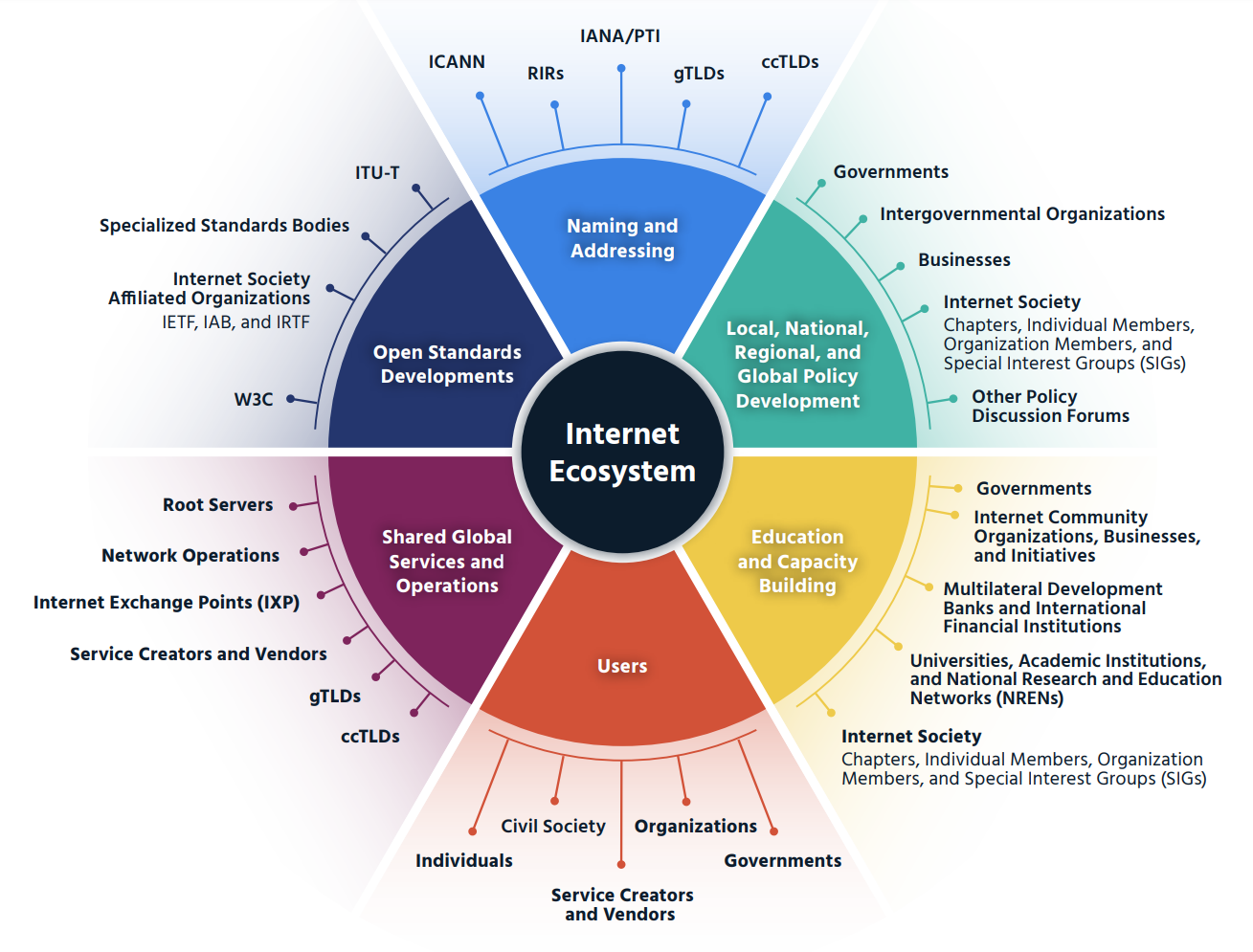
From a technical perspective, the governance structure is often analyzed through stratified layers, most notably the Logical Layer. This layer involves the coordination of identifiers and protocols by specialized organizations such as ICANN, the IETF, and the W3C, ensuring the interoperability of the global infrastructure. These entities operate independently of traditional state sovereignty, creating a decentralized ecosystem that balances technical efficiency with global accessibility.
The evolution of this field has attracted interdisciplinary analysis from law, economics, and anthropology, reflecting the pervasiveness of the network in modern society. As the internet evolves into a critical utility for smart urban infrastructure and precision agriculture, the governance of its underlying protocols becomes a matter of national security and economic stability. The tension between centralized control and decentralized openness remains a central point of contention among global actors.
Leis de Mendel: tudo que você precisa saber (e vai cair no ENEM)
The answer you need (Jn 6:35-40) Word of God | Sister Maria Raquel 04/22
The Peace You Need (Jn 14:7-14) Word of God | Sister Maria Raquel 05/03
Os ÚNICOS 4 FIIS que você precisa comprar em 2026
The Marco Civil da Internet: A Digital Constitution
Brazil established a global precedent with the Marco Civil da Internet, a legislative framework that functions as a digital constitution. This law enshrines the principles of freedom of expression, privacy, and human rights as the foundational pillars of the Brazilian cyberspace. By prioritizing these civil rights, the legislation ensures that the network remains an open and pluralistic environment, while simultaneously encouraging economic innovation and free competition.
A critical component of this framework is Article 7, which guarantees the inviolability and secrecy of communications. This specific provision was heavily influenced by the global revelations regarding NSA espionage, prompting a legislative shift to ensure that the interception of user data requires a judicial order. This creates a legal barrier against arbitrary state surveillance, reinforcing the autonomy of the individual within the digital ecosystem.
Despite these protections, the framework has faced challenges from conservative legislative blocs, exemplified by attempts to introduce measures that would mandate the storage of user data for surveillance purposes. These conflicts highlight the ongoing struggle between the state’s desire for security and the citizen’s right to privacy. The resilience of the Marco Civil is essential for maintaining a transparent environment where data can flow without the threat of systemic abuse.
Corporate Governance and the ESG Imperative
The intersection of internet governance and corporate ethics has become increasingly prominent, particularly through the lens of ESG (Environmental, Social, and Governance) criteria. Recent data indicates a significant surge in digital discourse regarding governance, driven by ethical crises in the retail and mining sectors. This shift reflects a growing societal demand for transparency and integrity in how corporations manage their digital footprints and social responsibilities.
A primary concern within this discourse is the phenomenon of washing, where companies employ deceptive narratives to simulate sustainability or ethical compliance. Analysis shows a high volume of negative sentiment in digital mentions of governance, suggesting that the public is increasingly skeptical of corporate claims that lack empirical backing. This pressure forces organizations to move beyond superficial rhetoric toward genuine compliance and ethical accountability.
For the technologist, this trend underscores the necessity of integrating verifiable data streams into corporate governance. The demand for transparency is no longer a marketing preference but a systemic requirement for operational legitimacy. Companies that fail to align their digital governance with actual ethical practices risk severe reputational damage and loss of social license to operate.
FAQ
What is the primary objective of the Marco Civil da Internet?
Its primary objective is to establish principles, guarantees, rights, and duties for the use of the internet in Brazil, acting as a digital constitution that protects privacy and freedom of expression.
How does the Logical Layer differ from legal governance?
The Logical Layer focuses on the technical coordination of the network (IP addresses, protocols) via bodies like ICANN, whereas legal governance focuses on the laws and regulations that dictate user rights and corporate obligations.
What is “washing” in the context of ESG and internet governance?
Washing refers to the practice of using false or exaggerated information to make a company appear more sustainable or ethical than it actually is, often leading to public distrust and negative sentiment in digital forums.