Cognitive Infrastructure: Re-engineering Digital Education for Systemic Problem-Solving
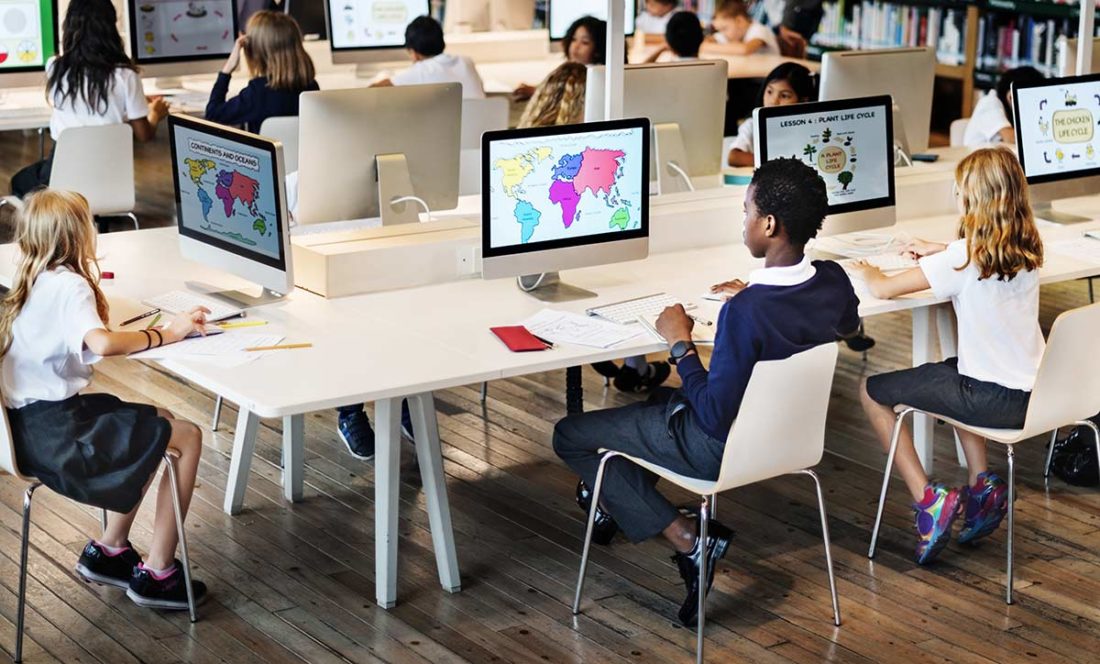
Traditional educational frameworks often prioritize the acquisition of static knowledge over the development of dynamic cognitive capabilities. This reliance on rote memorization creates a systemic bottleneck, hindering the ability of learners to navigate non-linear challenges. The objective must shift toward fostering independent thinking as a primary operational skill.
Independent thinking differs from structured education in its emphasis on personal analysis and the exploration of diverse perspectives. While education provides the necessary foundational data, independent thought allows for the critical evaluation of that data. This distinction is vital for developing the resilience needed to address complex environmental and technological crises.
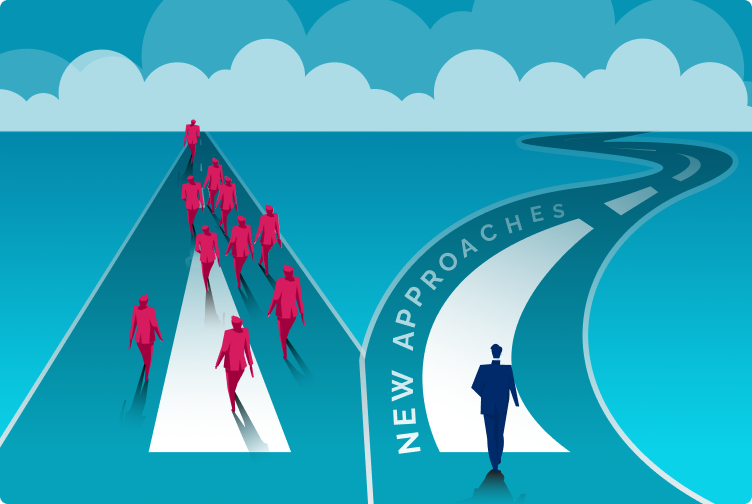
To bridge this gap, digital education must transition from a delivery mechanism for content to a laboratory for heuristic problem-solving. By prioritizing the “why” and “how” over the “what,” learners can move beyond the limitations of standardized testing. This approach transforms the educational experience into an iterative process of trial and error.
How To Foster Critical Thinking? – Aspiring Teacher Guide
How to Improve Your Critical Thinking
Encourage critical thinking with 3 questions | Brian Oshiro | TEDxXiguan
📚Fostering Critical Thinking in the Classroom
The Shift from Tool-Centric to Problem-Centric Pedagogy
Conventional instruction typically introduces tools before problems, a sequence that often obscures the actual utility of the instrument. A more profound approach involves presenting a real-world challenge first, such as the dismantling of a complex mechanical system, and introducing tools only as they become necessary for the solution. This method ensures that the learner understands the purpose and applicability of the tool within a functional context.
By framing education around the resolution of tangible problems, we foster cognitive agility. This shift mirrors the requirements of high-stakes fields like AgTech or urban infrastructure, where the ability to adapt to unforeseen variables is more valuable than the memorization of a manual. Learning becomes an active pursuit of efficiency rather than a passive reception of facts.
Gamification and Engagement Loops
Integrating elements of game-based learning can transform the psychological approach to education. When learning is structured like a video game, it encourages persistence through failure and rewards the discovery of novel solutions. This engagement loop is essential for maintaining the curiosity required for deep technical exploration.
Heuristic Frameworks and Open-Ended Inquiry
The cultivation of critical thinking requires a deliberate move away from binary, correct-or-incorrect questioning. Open-ended inquiries prompt learners to articulate their reasoning and explore multiple potential outcomes, forcing them to connect disparate ideas. This process is fundamental to systemic analysis, allowing the student to view challenges as opportunities for growth.
Role-playing and simulated scenarios further enhance this development by introducing empathy and diverse perspectives into the problem-solving process. By assuming different roles within a scenario, learners can negotiate and communicate more effectively. This develops the emotional intelligence necessary to implement technical solutions within complex human ecosystems.
Visualizing Thought Processes
The use of graphic organizers serves as a critical tool for visualizing cognitive connections. By mapping out assumptions and logical leaps, students can identify biases and refine their reasoning. This transparency in thinking allows for more precise constructive feedback and iterative refinement of the mental model.
Collaborative Synthesis and Independent Analysis
While independent thinking is paramount, it must be tempered by interdisciplinary synthesis through collaborative learning. Engaging in structured debates and group projects forces learners to defend their positions and synthesize information from multiple sources. This social friction is where the most robust critical thinking is forged.
The role of the educator must evolve from a primary source of knowledge to a facilitator of inquiry. By modeling purposeful questioning and encouraging a culture of curiosity, facilitators help students recognize their own cognitive biases. This mentorship is the catalyst that transforms a student from a consumer of information into a producer of solutions.
Building a Sustainable Cognitive Infrastructure
Ultimately, the goal is to build a cognitive infrastructure that supports lifelong self-teaching. In an era where knowledge is ubiquitously available, the value shifts from the possession of information to the ability to apply it creatively. This new approach to digital education ensures that learners are equipped to solve the existential challenges of the future.
FAQ
What is the primary difference between education and independent thinking?
Education typically refers to the structured acquisition of knowledge and frameworks, whereas independent thinking is the capacity for personal analysis, questioning assumptions, and exploring information autonomously to reach a conclusion.
How does a problem-centric approach improve learning outcomes?
By starting with a real-world challenge rather than a tool, learners develop a deeper understanding of the tool’s purpose. This fosters intuitive problem-solving skills and ensures that knowledge is applied functionally rather than memorized abstractly.
Why are open-ended questions superior to closed questions in fostering critical thinking?
Open-ended questions require the learner to explain their reasoning and consider multiple perspectives. This prevents the reliance on simple memorization and encourages the development of complex analytical pathways.