The Future of Lab Grown Meat and Cellular Agriculture: Bridging the Gap Between Traditional Farming and Modern Technology
Introduction
As we continue to grapple with issues such as climate change, animal welfare, and uneven food distribution, lab grown food is gaining traction as a potential solution. One of the most exciting developments in this area is cellular agriculture, particularly lab-grown meat.
How Lab-Grown Meat is Made
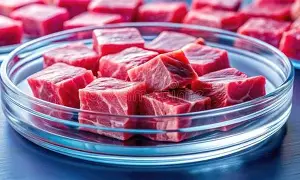
Lab-grown meat is produced by taking stem cells from animal tissue and adding a nutrient-rich solution. The cells then multiply into the three main components of meat: muscle, fat, and connective tissue. These cells are grown in bioreactors or cultivators, and then separated and rearranged to create an edible product.

The Benefits and Challenges of Lab-Grown Meat
- Benefits: Eliminates the need for raising and slaughtering animals, reducing greenhouse gas emissions. Addresses animal welfare concerns and could potentially be more efficient in terms of land, water, and feed usage.
- Challenges: Questions about nutritional content, taste and texture, health and safety concerns, high cost, and the technology still being in its infancy.
Sustainable Farming: An Alternative Approach
While lab-grown meat offers a promising solution, it is not the only approach to addressing our food system’s challenges. Sustainable farming emphasizes ecological balance, biodiversity, and the preservation of natural resources.

Conclusion
As we move towards a more sustainable future, both lab-grown meat and sustainable farming have a role to play. By embracing innovation and responsible agricultural practices, we can create a food system that is better for the planet, animals, and consumers alike.
Global Agribusiness Trends
The future of food is a complex and exciting space, with the convergence of technology, sustainability, and global agribusiness trends shaping the way we produce and consume food. By staying informed and adapting to these changes, we can ensure a thriving food system for generations to come.
The Role of Precision Agriculture
Precision agriculture technologies, such as drones, sensors, and data analytics, will play a crucial role in optimizing resource usage and minimizing environmental impact across all farming methods, including lab-grown meat production.
Investment Opportunities in AgTech
The convergence of technology and agriculture presents significant investment opportunities for those looking to make a positive impact on the food system. By backing innovative companies in the lab-grown meat and cellular agriculture space, as well as sustainable farming initiatives, we can drive progress towards a more sustainable future.