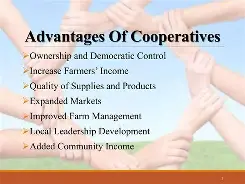
The Role of Cooperatives in Modern Rural Development
In the evolving landscape of agriculture, cooperatives have emerged as a critical pillar for sustainable rural development. These member-owned organizations offer an innovative approach to modernize farming practices and enhance livelihoods among smallholder farmers, particularly in Sub-Saharan Africa.
Cooperative Success Stories: Rwanda’s Strategy for Empowerment
A strategic plan set forth by the Rwandan government in 2005 aimed to have 70% of rural populations in farmers’ cooperatives. While the goal has not been fully achieved, significant progress has been made. By 2008, Rwanda boasted approximately 1,500 registered cooperatives with a membership of 56% of its rural farmers.
Research comparing cooperative member farmers and individual farmers in Rwanda demonstrated that cooperatives are more advantageous in terms of productivity, income, market access, and overall welfare of rural farmers. This is attributed to government support in training, resources, extension services, and market penetration.

Challenges Faced by Agricultural Cooperatives: A Global Perspective
However, agricultural cooperatives worldwide face various challenges that impact their effectiveness. These obstacles are not exclusive to Southeast Europe but are ubiquitous across the globe.
- Historical context plays a significant role in shaping public perception, with lower trust in cooperatives in regions with a communist past, such as Southeast Europe.
- Access to capital is another major hurdle for small-scale farmers who struggle to find financing for modernization or expansion.
- Fragmented agricultural landscapes make it difficult for farmers to organize into effective cooperatives and take advantage of economies of scale.
- Low membership rates reduce a cooperative’s market power, making it challenging to influence supply chains.
- Inconsistent government support further complicates matters, with some countries adhering to European Union standards while others do not.
- Governance and management issues can lead to a lack of trust among members, affecting the sustainability of cooperatives.

Overcoming Challenges: The Path Forward
To overcome these challenges and maximize the potential of agricultural cooperatives, it is essential to foster an enabling environment that encourages collaboration, innovation, and investment. Governments, private sector stakeholders, and development organizations must work together to address these obstacles and ensure a sustainable future for smallholder farmers.

Conclusion
Cooperatives play a pivotal role in empowering smallholder farmers and fostering sustainable rural development. By overcoming the challenges they face, agricultural cooperatives can help bridge the gap between traditional farming practices and modern technology, ultimately contributing to food security, poverty reduction, and global economic growth.
In Southeast Europe, as in other regions, the success of agricultural cooperatives will depend on addressing historical, financial, organizational, and policy-related hurdles. With concerted efforts from all stakeholders, it is possible to harness the transformative power of agricultural cooperatives and unlock their full potential for sustainable rural development.