The Evolution of Smart Farm Management Systems (FMIS) for 2026
Introduction
Welcome to the future of agriculture, where technology and sustainability intertwine in a harmonious dance, driving global agribusiness towards unprecedented growth. The advent of Smart Farm Management Systems (FMIS) is set to revolutionize farming practices, ensuring efficient use of resources, increased productivity, and sustainable development.
Development
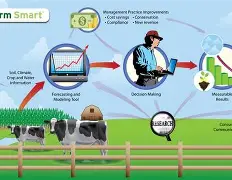
As we move towards 2026, the FMIS landscape will be characterized by a fusion of existing and emerging technologies. The Internet of Things (IoT), Artificial Intelligence (AI), Blockchain, and Robotics will form the backbone of these systems, enabling real-time data collection, analysis, and decision-making.
- IoT Sensors: The widespread deployment of sensors across farms will monitor soil moisture, temperature, humidity, and other vital factors. This will empower farmers to make informed decisions based on real-time data, ensuring optimal resource utilization.
- AI-Powered Predictive Analytics: Machine learning algorithms will analyze historical and real-time data to predict crop yields, pest outbreaks, and weather patterns, enabling farmers to take preventative measures proactively.
- Blockchain Technology: Secure, transparent, and tamper-proof supply chains will be established through the use of blockchain technology. This will allow for traceability of products from farm to table, ensuring food safety and reducing waste in the agricultural value chain.
- Autonomous Robotics: The integration of autonomous robots in farming operations will improve efficiency, precision, and safety by executing repetitive tasks such as planting, harvesting, and weeding.
Conclusion
The evolution of Smart Farm Management Systems (FMIS) towards 2026 will herald a new era in agriculture. By embracing technology, farmers can strive for greater efficiency, productivity, and sustainability while meeting the growing demands of an ever-expanding global population. As institutional investors continue to pour capital into AgTech startups, we can expect the pace of innovation to accelerate even further.
Looking Ahead
In the coming years, we can anticipate further advancements in areas such as precision agriculture, vertical farming, and urban agriculture. The continued development of smart farm management systems will be instrumental in ensuring the long-term success of these initiatives while addressing global challenges like food security, climate change, and resource scarcity.
Investment Opportunities
For tech-savvy farmers and institutional investors alike, the AgTech sector presents an exciting avenue for growth. The continued development of smart farm management systems offers numerous opportunities to invest in innovative solutions that drive sustainable agriculture and meet the needs of a growing global population.
Final Thoughts
As we move towards 2026, the integration of technology into agriculture is no longer an option but a necessity. The evolution of smart farm management systems will play a pivotal role in ensuring sustainable development, food security, and economic growth for generations to come.