The Architecture of the Network Society: A Technical Analysis of Manuel Castells’ Digital Paradigm
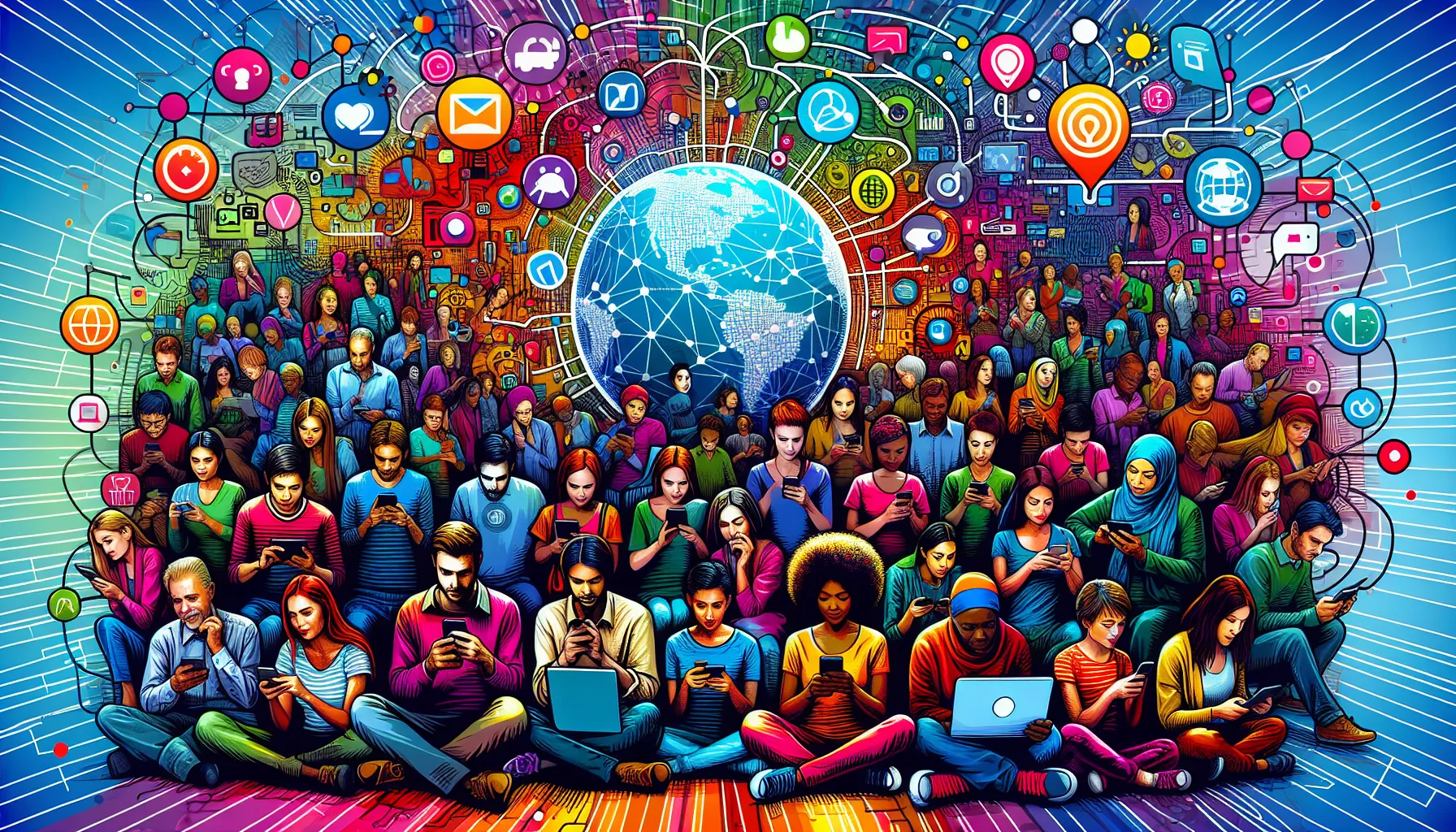
The Network Society represents a systemic reconfiguration of human interaction, defined as a set of culturally patterned interactions mediated by information and communication technologies (ICTs). This paradigm shifts the societal foundation from traditional hierarchical structures to a decentralized informational capitalism, where the capacity to process information becomes the primary source of power. The transition is not merely technological but structural, altering the very fabric of economic production and social organization.
This evolution was catalyzed by the migration of technologies originally developed for military applications into the financial sector during the late 20th century. This shift allowed financial capital to decouple from physical production, facilitating a global circulation of assets that operates independently of territorial constraints. Consequently, the state’s role shifted toward deregulation, enabling international organisms to accelerate the flow of capital across global markets.
The integration of ICTs enabled the horizontalization of corporate architectures, allowing firms to transnationalize production through low-cost communication networks. This structural agility allows for a flexible reconfiguration of the productive apparatus, optimizing efficiency across disparate geographical nodes. This transition marks the definitive move from a Fordist mass-production model to a networked, flexible accumulation regime.
WEB3: Qual futuro da comunicação entre pessoas e empresas no mundo online? | SOCIEDADE DIGITAL
Qual é o futuro da digitalização na saúde e organizações? Especialistas debatem | SOCIEDADE DIGITAL
Descubra como a tecnologia vai transformar a forma de lidar com seu dinheiro | SOCIEDADE DIGITAL
SOCIEDADE DIGITAL – 02 – Coexistir em sociedade? | Café Filosófico Expresso | Dennis de Oliveira
The Socio-Technical Divide and Labor Dualization
The transition to a digital society has precipitated a profound dualization of labor, creating a systemic gap between high-skill and low-skill workers. While the network society empowers a cognitive elite capable of managing complex informational flows, it simultaneously marginalizes those whose skills are redundant in a digitized economy. This results in the erosion of the intermediate professional class, flattening the socio-economic hierarchy into two polarized extremes.
This labor shift is not a direct result of technology alone, but rather the intersection of institutional policies and cultural frameworks. The impact on employment is determined by how governmental and corporate strategies deploy these tools to restructure the workforce. In the context of smart urban infrastructure, this divide manifests in the unequal access to the digital layers of the city, creating “disconnected” zones of exclusion.
From Industrialism to the Technical-Scientific-Informational Revolution
The trajectory toward the current digital state began with the sedentarization of humans and the subsequent domination of physical space. This expanded through the Great Navigations, which initiated the internationalization of social and economic relations, laying the groundwork for early globalization. The subsequent industrial revolutions transitioned society from manual labor to scientific-technical production on a mass scale.
The third industrial revolution introduced the technical-scientific-informational revolution, which synthesized knowledge and technology into a single productive force. This convergence allowed for the creation of a cyberspace—a virtual environment that facilitates immediacy in human interaction. This digital layer now overlays physical geography, creating a “space of flows” that dictates the movement of resources and power.
The Transition to Decentralized Ecosystems
Modern advancements such as Web3, blockchain, and artificial intelligence represent the next iteration of Castells’ network theory. These technologies aim to move beyond centralized platforms toward a decentralized architecture of trust and value exchange. This evolution suggests a shift from a mediated network to a self-sovereign digital ecosystem where the user regains control over their informational identity.
The integration of quantum computing and AI into this framework will likely accelerate the processing capacity of the network society. From a sustainable development perspective, these tools are critical for optimizing smart urban infrastructure and AgTech systems. The ability to process real-time ecological data through decentralized networks allows for a more precise, systemic approach to environmental mitigation and resource management.
The Power of Identity in a Mediated World
In the digital era, identity has evolved into a primary source of meaning and resistance against institutional power. As global networks homogenize culture, individuals and groups construct “identities of resistance” to maintain social cohesion and agency. This tension between the global network and local identity defines the current socio-political landscape.
The ciberespaço serves as the primary arena for these conflicts, where the struggle for narrative control determines the distribution of power. The ability to program the network—to decide which information flows and which is blocked—is the ultimate form of contemporary authority. This technical control over communication channels is what distinguishes the architects of the network from its passive consumers.
FAQ
What is the core definition of the “Network Society”?
It is a social structure organized around a communication system mediated by technologies, where human interactions are patterned by a global network of information flows.
How does “Informational Capitalism” differ from traditional capitalism?
Unlike traditional capitalism, which focused on the production of physical goods, informational capitalism derives value from the ability to generate, process, and apply information knowledge as a productive force.
What is the “dualization of labor” mentioned by Castells?
It is the process where the labor market splits into two poles: highly qualified workers who manage the network and low-skilled workers performing routine tasks, with a significant decline in middle-income, intermediate-skill roles.
How does Web3 relate to the Network Society?
Web3 represents a technical evolution toward decentralization, potentially reducing the reliance on centralized intermediaries that Castells identified as the primary nodes of power in the early digital society.