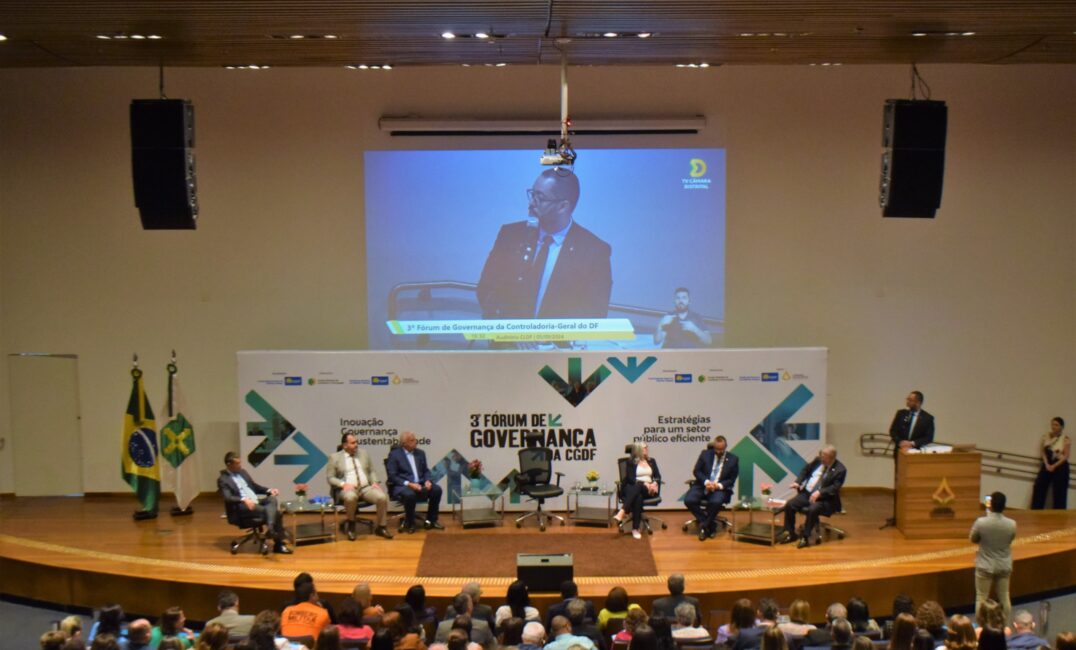
Systemic Analysis of Internet Governance in Brazil: The Multi-stakeholder Imperative
The Brazilian internet governance model operates as a decentralized, multi-stakeholder framework designed to prevent the monopolization of network administration. This structure ensures that technical standards and policy directives are not dictated by a single entity but emerge from a collaborative equilibrium. It functions as a critical substrate for the deployment of advanced digital services.
Established in 1995, the Comitê Gestor da Internet (CGI.br) coordinates the standardization, administration, and domain management of the national network. Its deliberative nature integrates the government, the private sector, the scientific community, and the third sector in a paritary arrangement. This ensures that no single sector holds disproportionate influence over the network’s evolution.
This bottom-up approach contrasts sharply with the top-down regulatory regimes prevalent in many other jurisdictions. By prioritizing interoperability and open standards, the model fosters a resilient digital ecosystem capable of supporting rapid technological evolution. This architectural philosophy is essential for maintaining a free and open internet.
As oportunidades sempre surgem para todos, o resto é pura desculpa
✨ Oração para Aproveitar as Oportunidades – A OPORTUNIDADE – EMMANUEL
🚀 Como identificar uma boa oportunidade?
Hoje você vai receber uma oportunidade que pode mudar tudo 🙏 #mensagempositiva #frasemotivacao #fé
The Technical and Normative Foundations of CGI.br
The systemic stability of this model is anchored in the ten principles for internet governance and use, formalized via Resolution CGI.br/RES/2009/003/P. These principles served as the conceptual blueprint for the Marco Civil da Internet and the global NETmundial charter. They provide the normative guardrails for policy, technical, and operational decisions.
International bodies, including the UN and ICANN, recognize this arrangement as a benchmark for democratic digital management. Brazil’s leadership is evidenced by its role in hosting the Internet Governance Forum (IGF) on two separate occasions. This recognition stems from the ability to reconcile diverse interests within a single deliberative body.
Legislative Threats and Systemic Risks
Despite its success, the current framework faces systemic risks, specifically from legislative proposals such as Bill 4557/2024. Such shifts could jeopardize the multi-stakeholder balance, potentially introducing rigidities that hinder innovation. A transition toward a more centralized model would likely degrade the agility of the network’s administration.
The Brazilian Internet Forum (FIB) serves as a critical preparatory space to address these threats and align national discourse with the global IGF. It provides a venue for citizens to intervene in the governance process, ensuring that the network remains a public utility. This participation is vital to prevent the capture of digital infrastructure by narrow interests.
Intersection with Sustainable Infrastructure and AgTech
From a sustainable development perspective, the maintenance of an open internet is critical for the deployment of Smart Urban Infrastructure. The interoperability of IoT sensors and urban data flows depends on the open standards promoted by the CGI.br. Without a multi-stakeholder approach, urban data could become trapped in proprietary silos.
Similarly, the scalability of AgTech solutions requires a governance model that prevents proprietary capture in data transmission. A democratic internet ensures that precision agriculture tools remain accessible to diverse stakeholders, from smallholders to large enterprises. This prevents the creation of digital monopolies in the food production chain.
AI, Accessibility, and Ecological Impact
The integration of Artificial Intelligence into accessibility and inclusion frameworks, as discussed at the FIB, emphasizes the need for citizen participation. Ensuring that AI is developed “with us” prevents the algorithmic marginalization of persons with disabilities. This inclusive approach is a prerequisite for a socially sustainable digital transition.
The multistakeholder model acts as a safeguard against the fragmentation of the global network. By adhering to international technical standards, Brazil ensures that its digital infrastructure remains compatible with global ecological monitoring and climate data systems. This compatibility is essential for real-time environmental response.
Technical interoperability is not merely a software requirement but a political outcome of a collaborative governance process. Without it, the transition to a circular economy through digital twinning becomes technically unfeasible. The governance of the internet is, therefore, the governance of the tools used to save the planet.
Ultimately, the democratic participation facilitated by the FIB allows for the alignment of technical roadmaps with societal needs. This alignment is essential for the long-term sustainability of the digital commons. Protecting the CGI.br model is a strategic necessity for Brazil’s technological sovereignty.
FAQ
What is the CGI.br and why is it unique?
The Comitê Gestor da Internet no Brasil (CGI.br) is a multi-stakeholder deliberative body created in 1995. It is unique because it balances representation between government, business, academia, and the third sector, avoiding a top-down, government-centric management style.
How does the multi-stakeholder model benefit technological innovation?
By promoting open standards and interoperability, the model prevents proprietary lock-in and encourages the development of technologies that can communicate across different platforms. This is essential for the growth of AgTech and Smart City infrastructures.
What is the significance of Bill 4557/2024 in this context?
Bill 4557/2024 is viewed as a threat to the current governance model because it could alter the collaborative and paritary nature of the CGI.br, potentially centralizing power and reducing the influence of civil society and academia.