Global Trade Policies and Their Impact on Agricultural Exports
Introduction: Navigating the Interplay of Global Trade Policies and Agricultural Exports
In today’s interconnected world, global trade policies play a crucial role in shaping the agricultural landscape. This article will delve into how these policies impact agricultural exports and how they can influence both farmers and institutional investors alike.
Understanding Free Trade Agreements and Their Effects on Agriculture
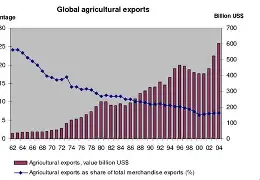
Free trade agreements are instrumental in lowering tariffs and reducing barriers for agricultural products. This enables farmers to export their goods more easily and at a reduced cost, ultimately leading to increased agricultural trade.
For instance, countries like Guatemala and Colombia have seen a surge in banana and coffee exports following their free trade agreements with the United States. However, these agreements can also lead to changes in crop production that may impact local food security.
Changes in Crop Production
As farmers gain access to larger markets, they may shift focus towards export crops that are in high demand internationally. This can result in a reduction of locally grown staple foods, which could lead to dependence on imports for basic needs.

Competition from Cheaper Imports
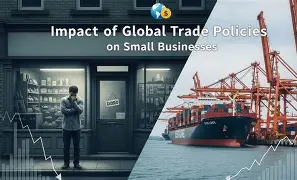
Free trade agreements can also lead to increased competition from cheaper imported goods. This is especially challenging for small farmers who lack the resources to compete with foreign producers.
The Role of Government Supportive Policies
To mitigate the negative impacts, governments can implement supportive policies that help local farmers stay competitive and protect food security.
Conclusion: Balancing the Impact of Global Trade Policies on Agriculture
While free trade agreements can bring about growth opportunities for farmers, it is essential to address potential challenges such as increased competition and crop production changes. Through supportive policies and strategic planning, we can foster a sustainable agricultural landscape that benefits both local communities and global markets.